4 hr
Capitol Hill Guided Tour: US Capitol, Library of Congress & Supreme Court
- Expert local guide
- Small group
- Skip-the-line access
- Free cancellation
National Mall Tickets — Guided Walks & Memorial Access
Two miles of granite and grass, from Lincoln to Capitol.
Compare fares, pick the fit — all bookings are mobile-voucher and eligible for free cancellation where shown.
4 hr
24 hr
1 hr
| Experience | Duration | Rating | Skip-the-line | Guide | Small group | Free cancel. | Price | |
|---|---|---|---|---|---|---|---|---|
|
Guided Experience
Most popular
Capitol Hill Guided Tour: US Capitol, Library of Congress & Supreme Court
|
4 hr | ★ 5.0 | ✓ | ✓ | ✓ | ✓ | €56 | Book → |
|
Standard Entry
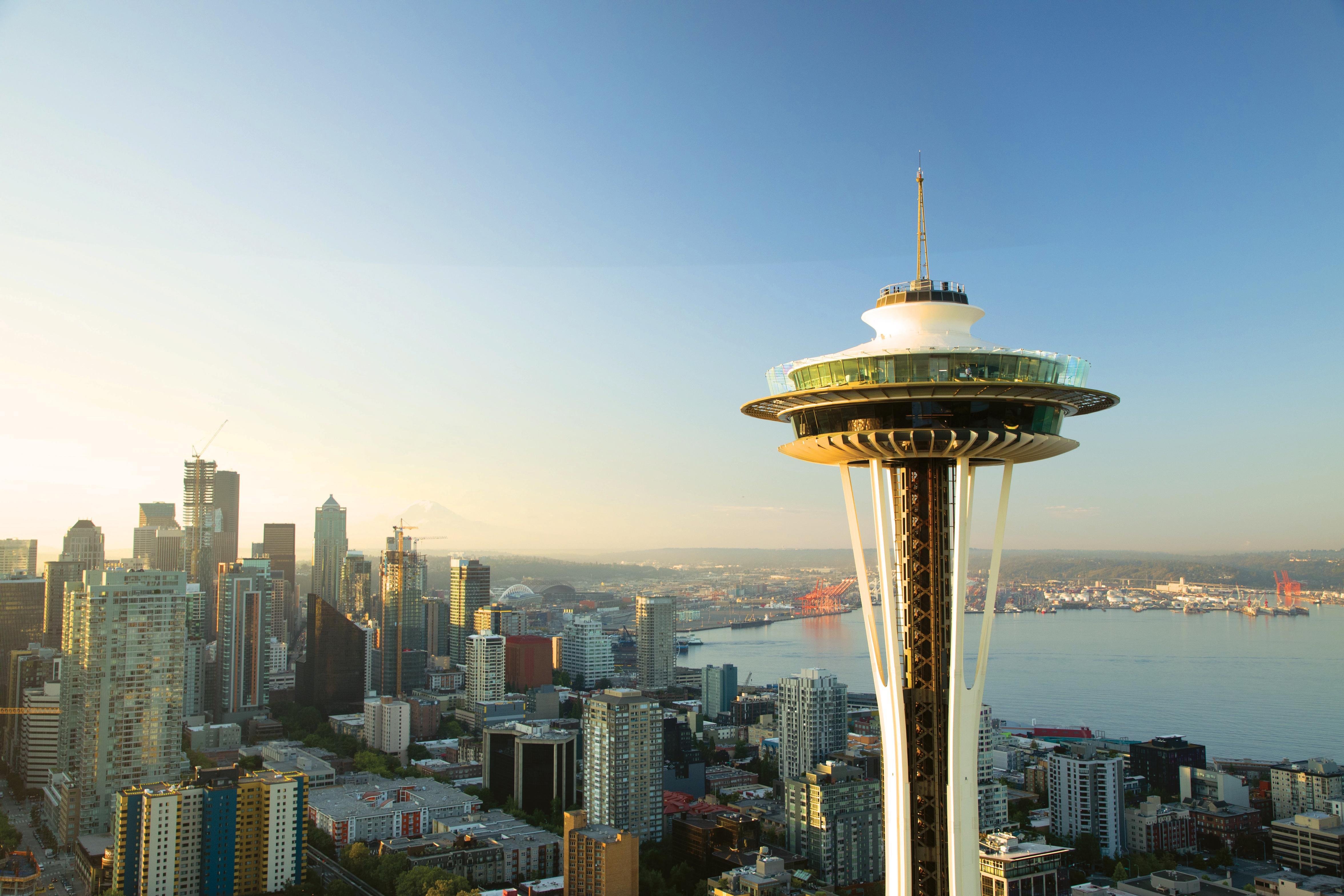
Seattle Space Needle & Chihuly Garden and Glass Combination Ticket
|
24 hr | ★ 4.7 | — | — | — | ✓ | €67 | Book → |
|
Guided Experience
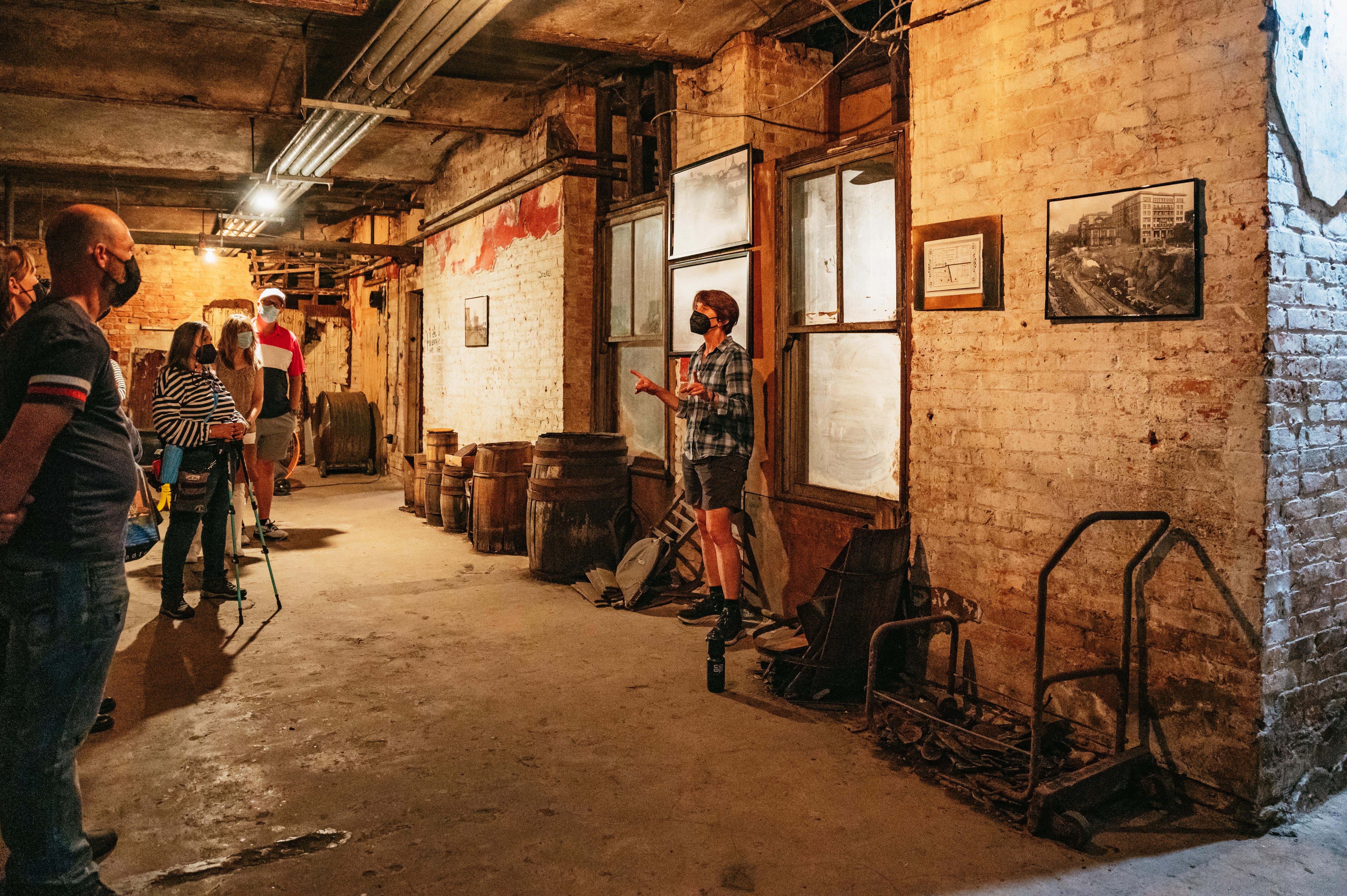
Seattle Subterranean Historical Walking Tour
|
1 hr | ★ 4.6 | ✓ | ✓ | ✓ | ✓ | €27 | Book → |
Hand-picked experiences loved by thousands of travelers
2 hours
Free Cancellation
Taste the best of the Pacific Northwest on a chef-led walk featuring nine delicious tasting stops.
Self-paced (typically 1 to 2 hours)
Free Cancellation
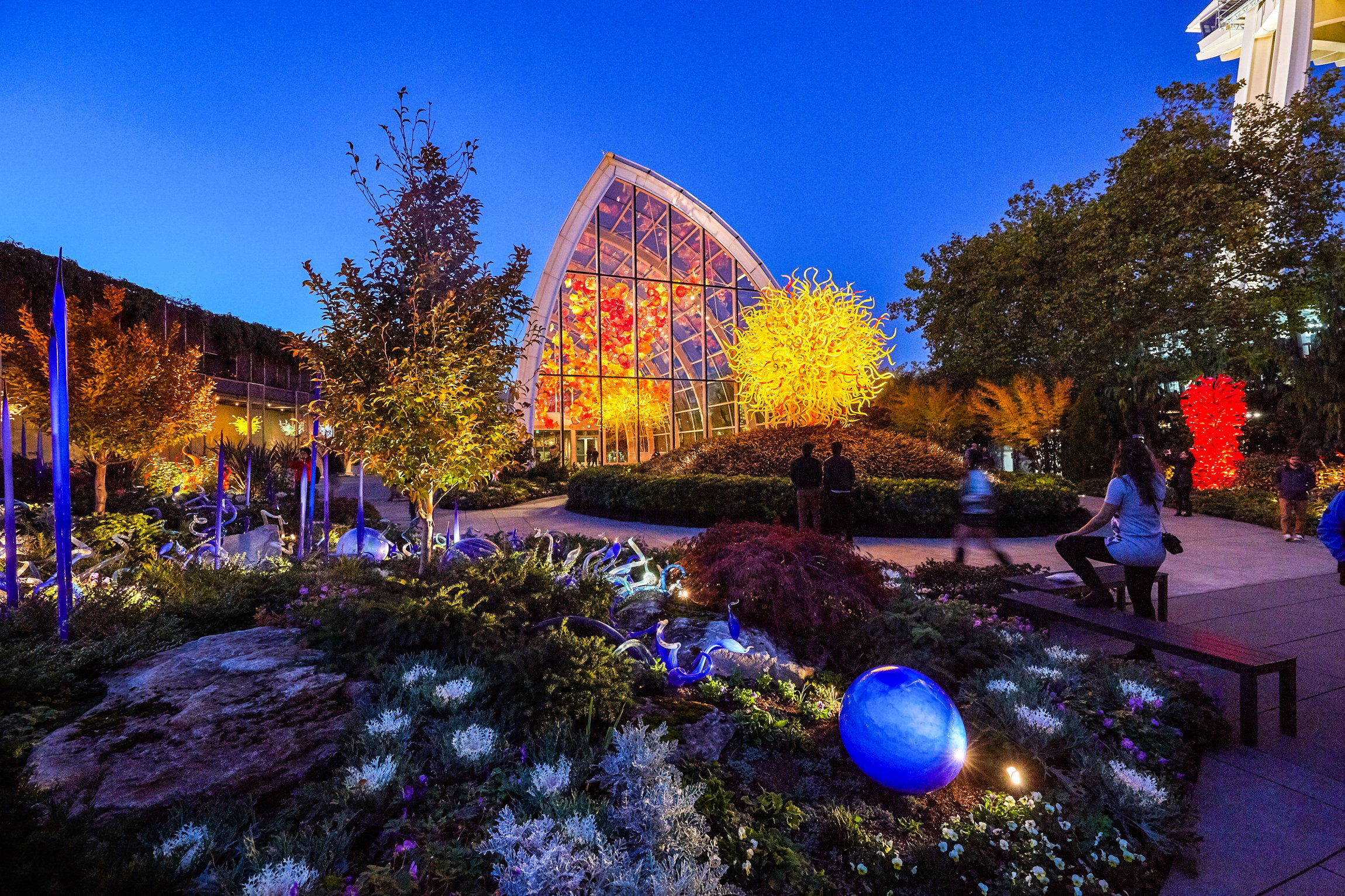
Immerse yourself in a spectacular exhibition of color, light, and monumental glass art in Seattle.
1 day
Free Cancellation
Escape Seattle to explore Mount Rainier's towering glaciers, waterfalls, and alpine trails on a guided small-group adventure.
2 hours
Free Cancellation
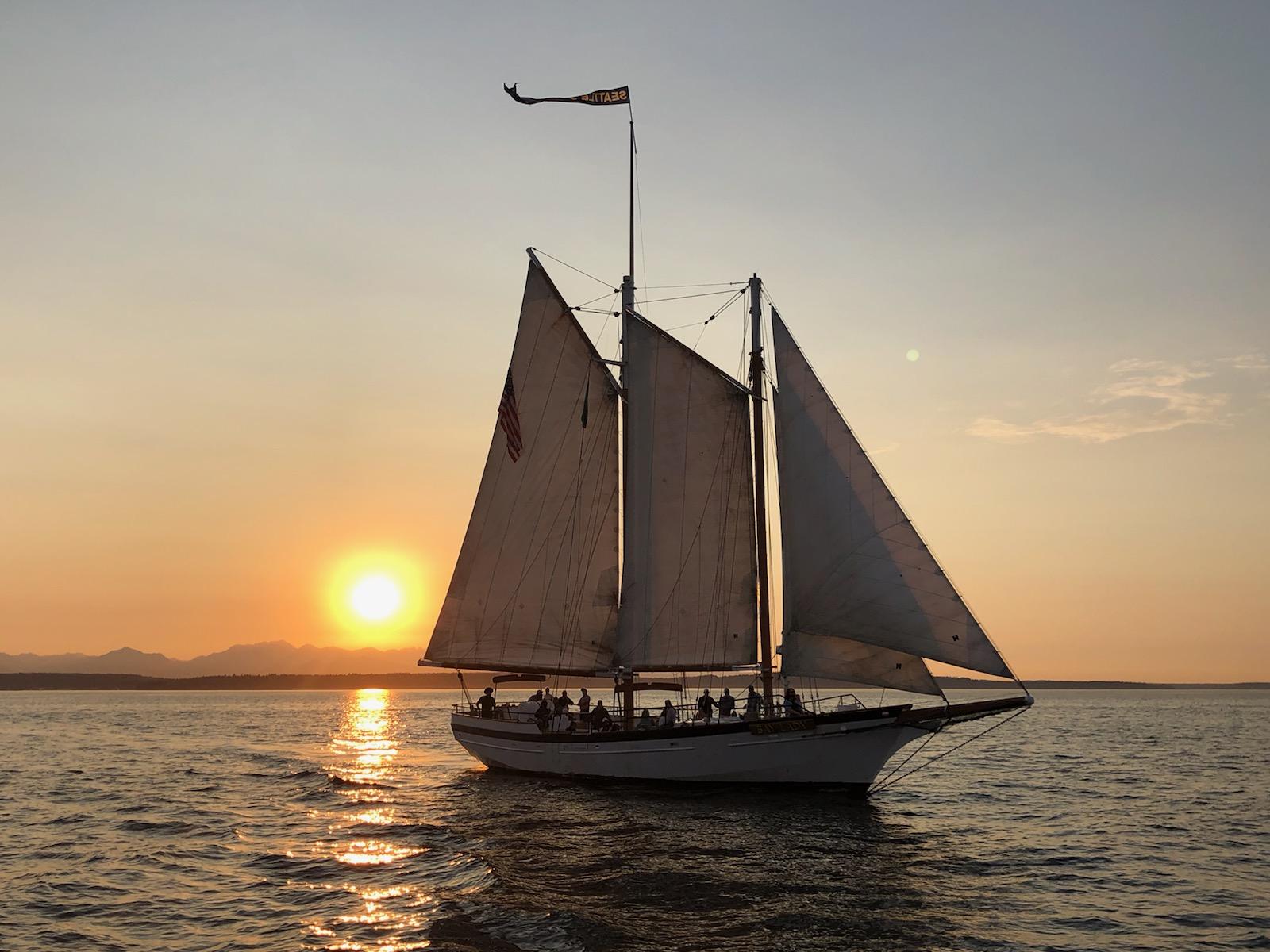
Board a classic schooner to watch the sunset over the Olympic Mountains and see Seattle's glowing skyline.
1.5 hours
Free Cancellation
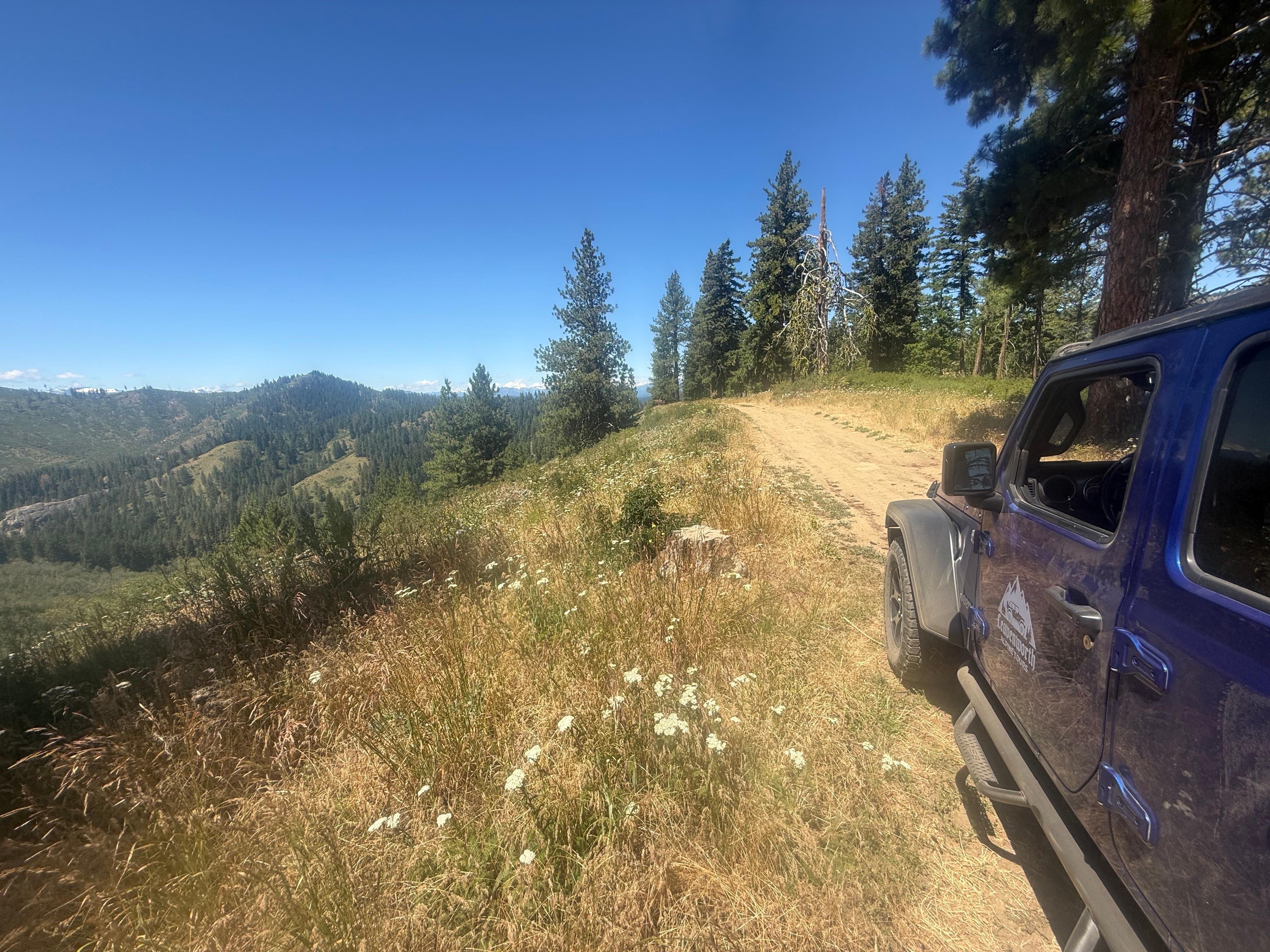
Ascend to Boundary Butte in a private Jeep for stunning ridgeline views of Leavenworth and the Cascades.
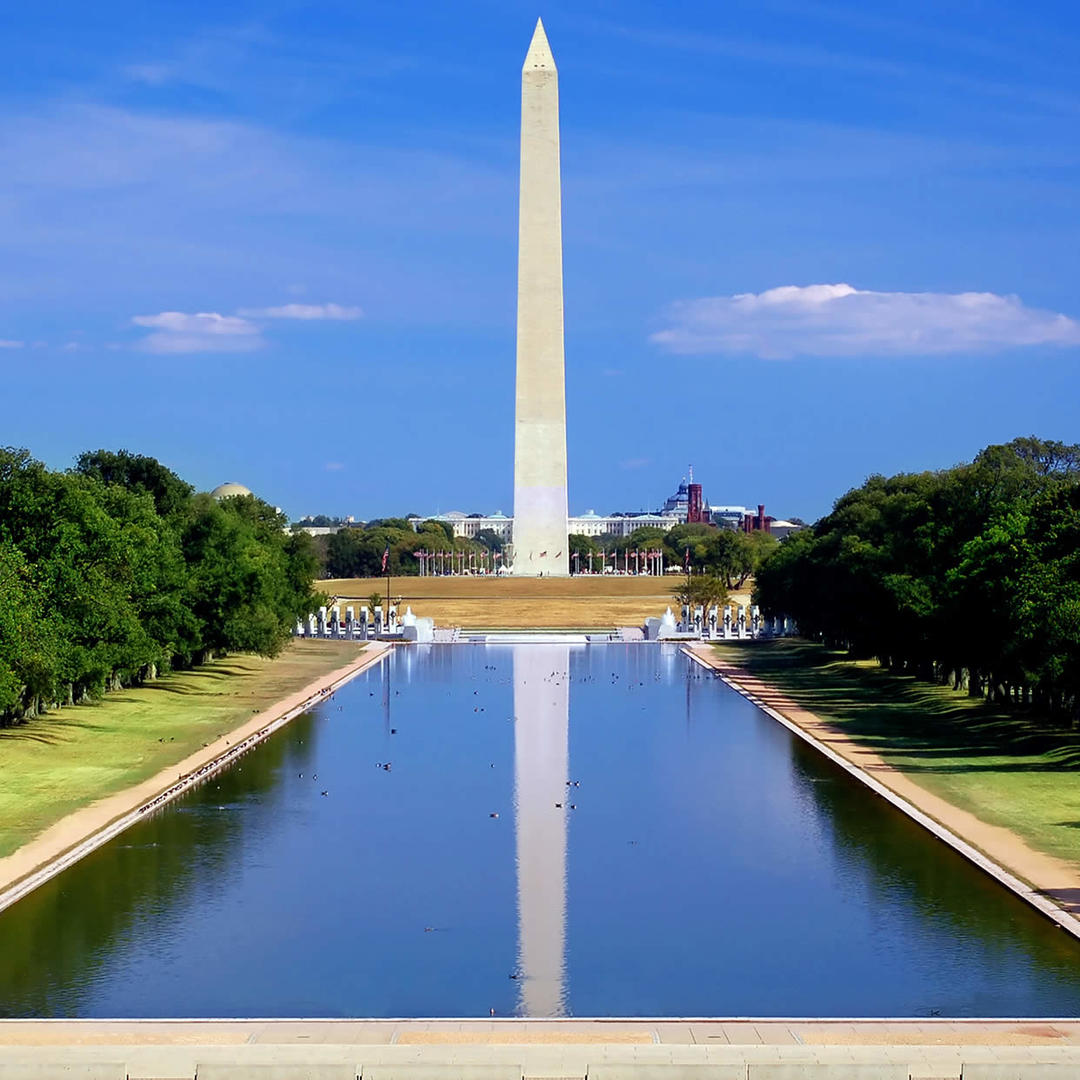
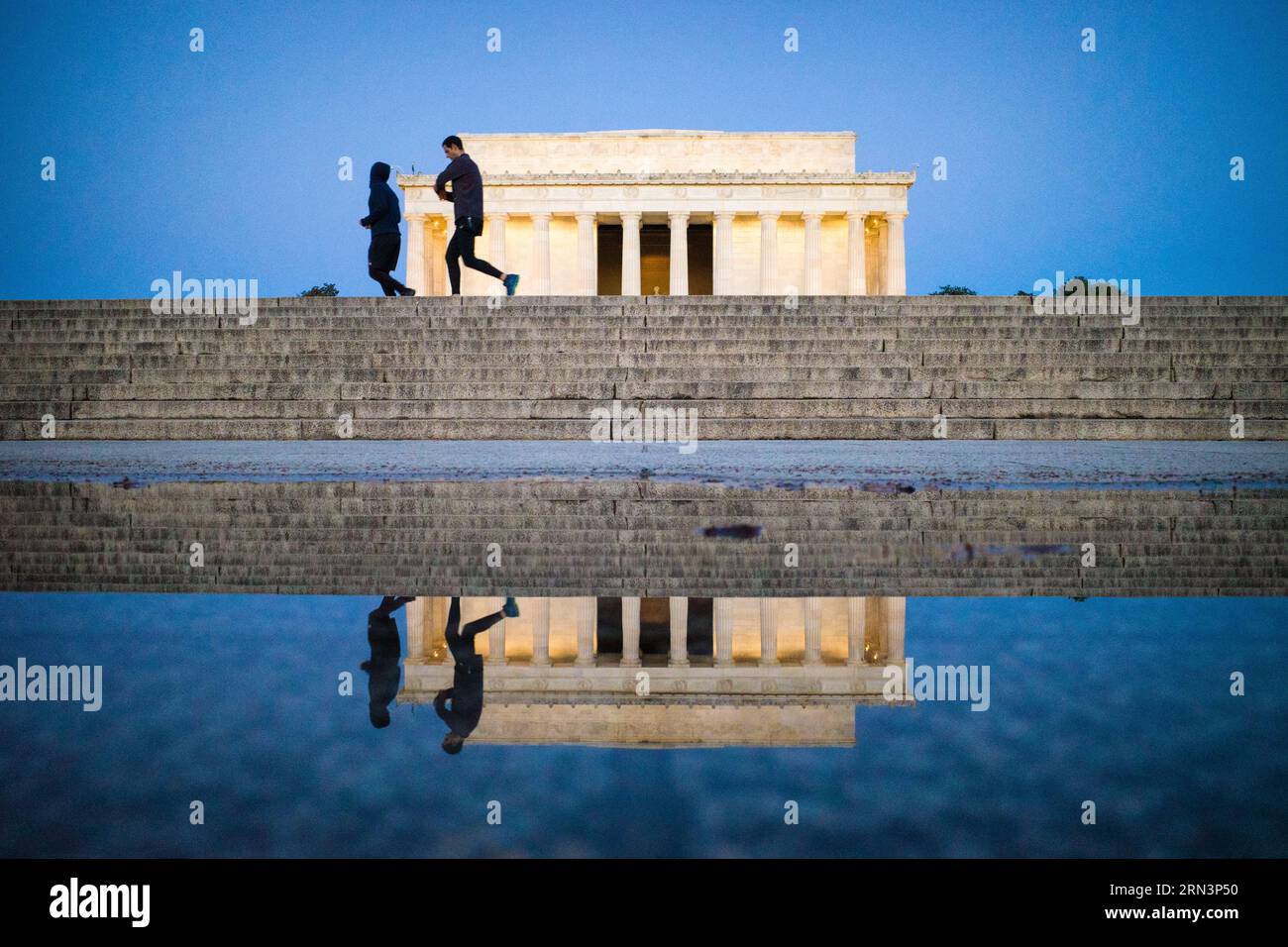
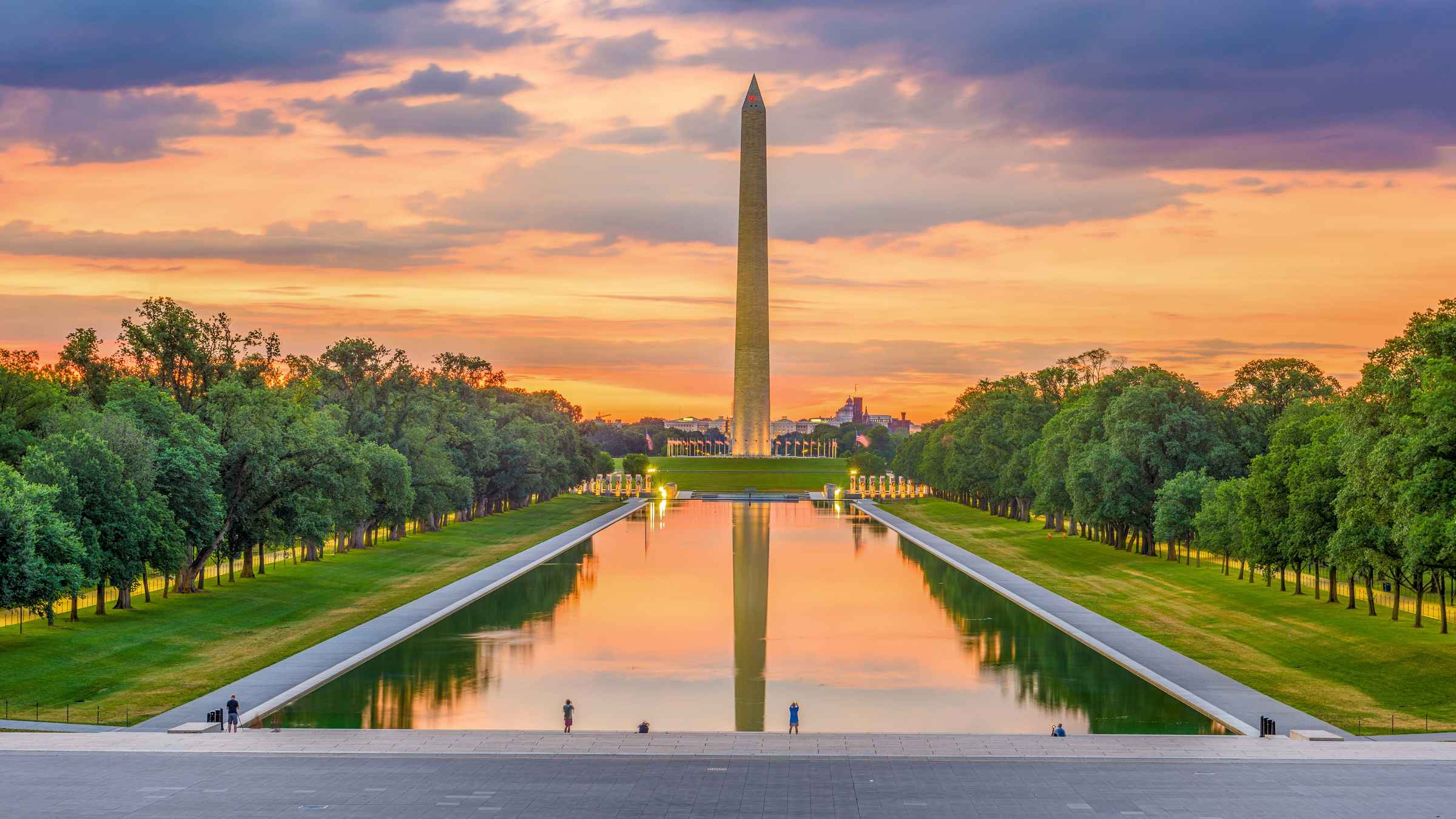
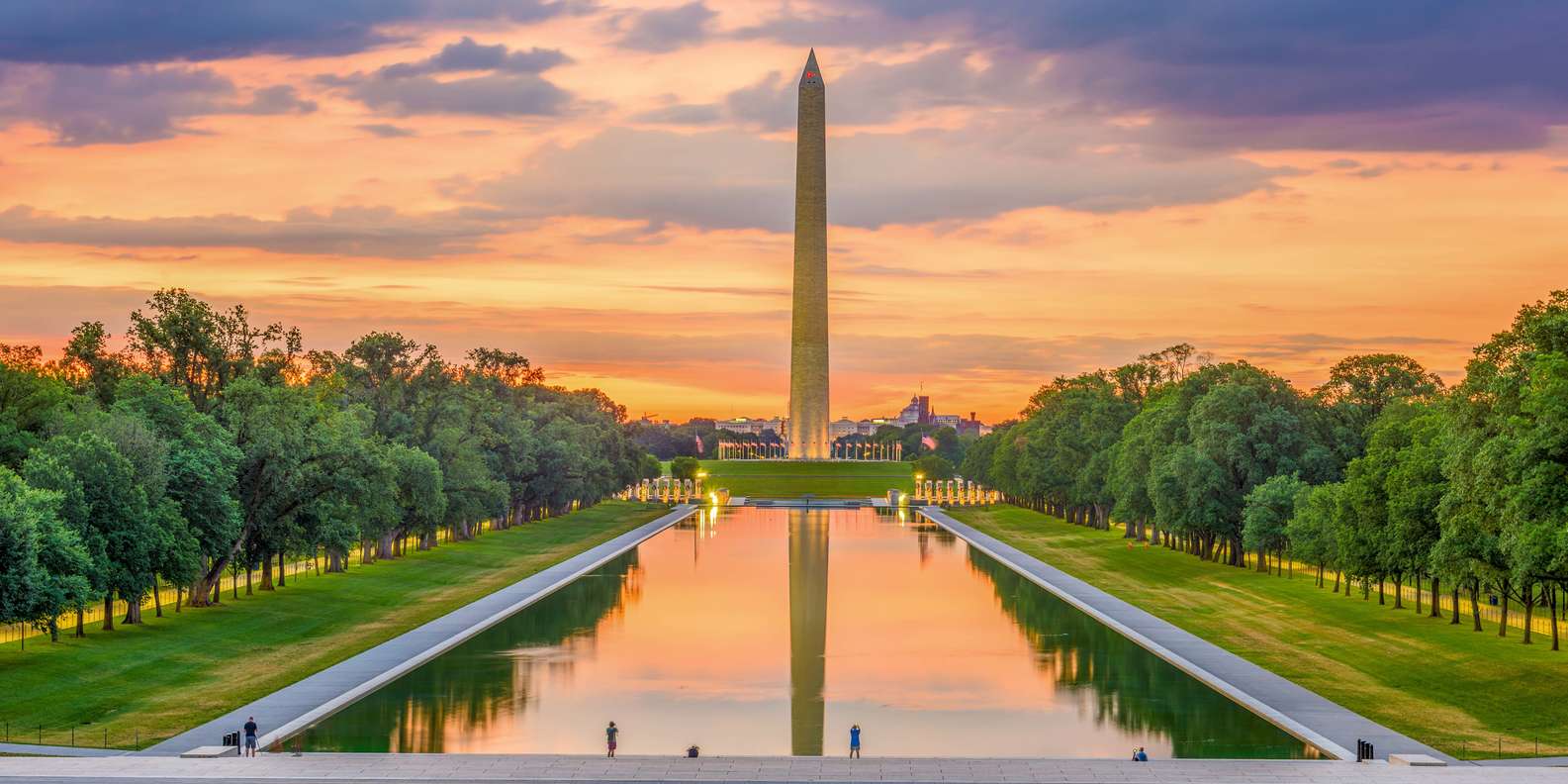
Begin at the west end, climbing the marble steps to the seated Lincoln statue before walking along the Reflecting Pool.
Continue east past the fountains and pillars honoring wartime service between the Reflecting Pool and Washington Monument.
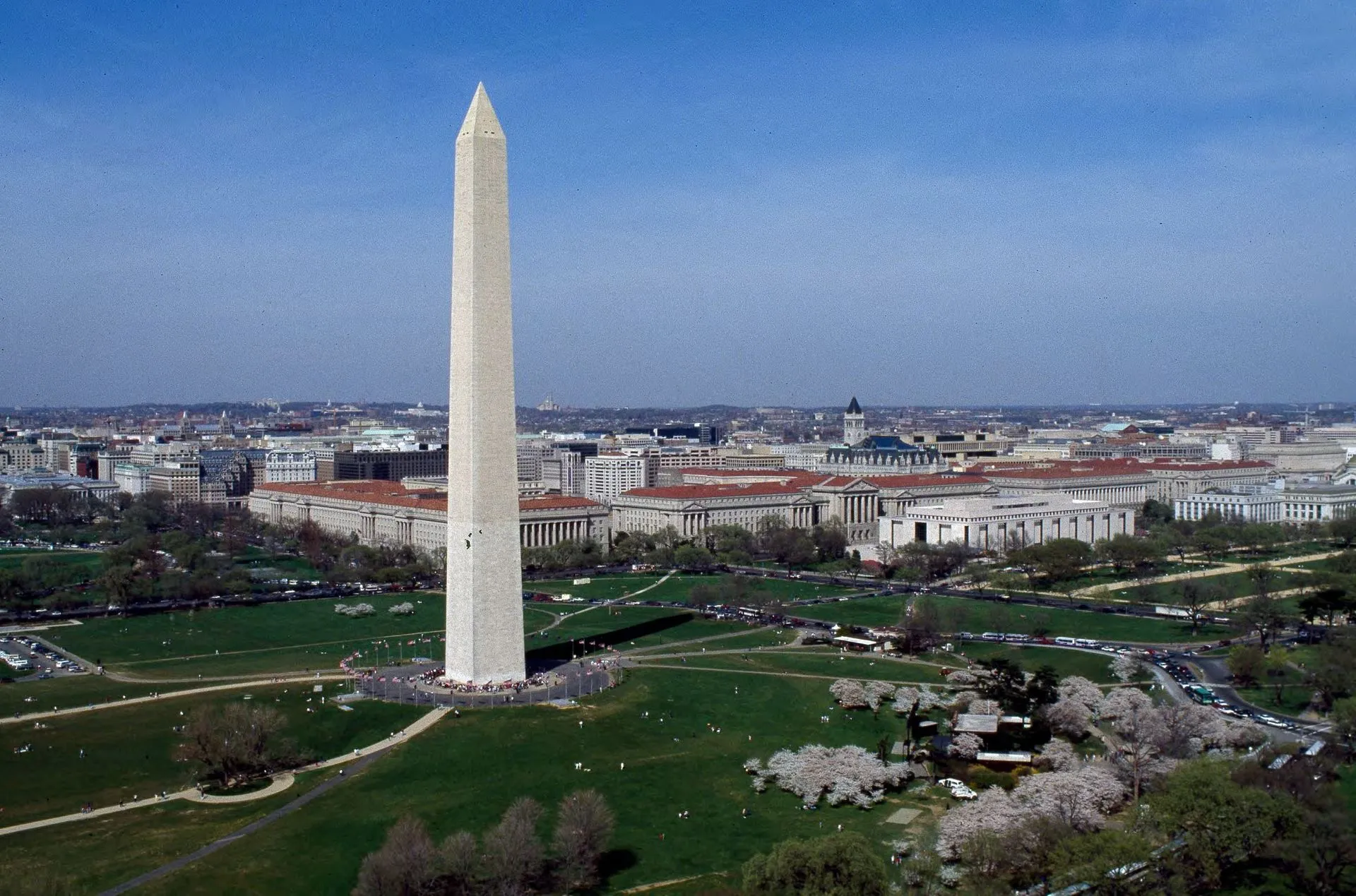
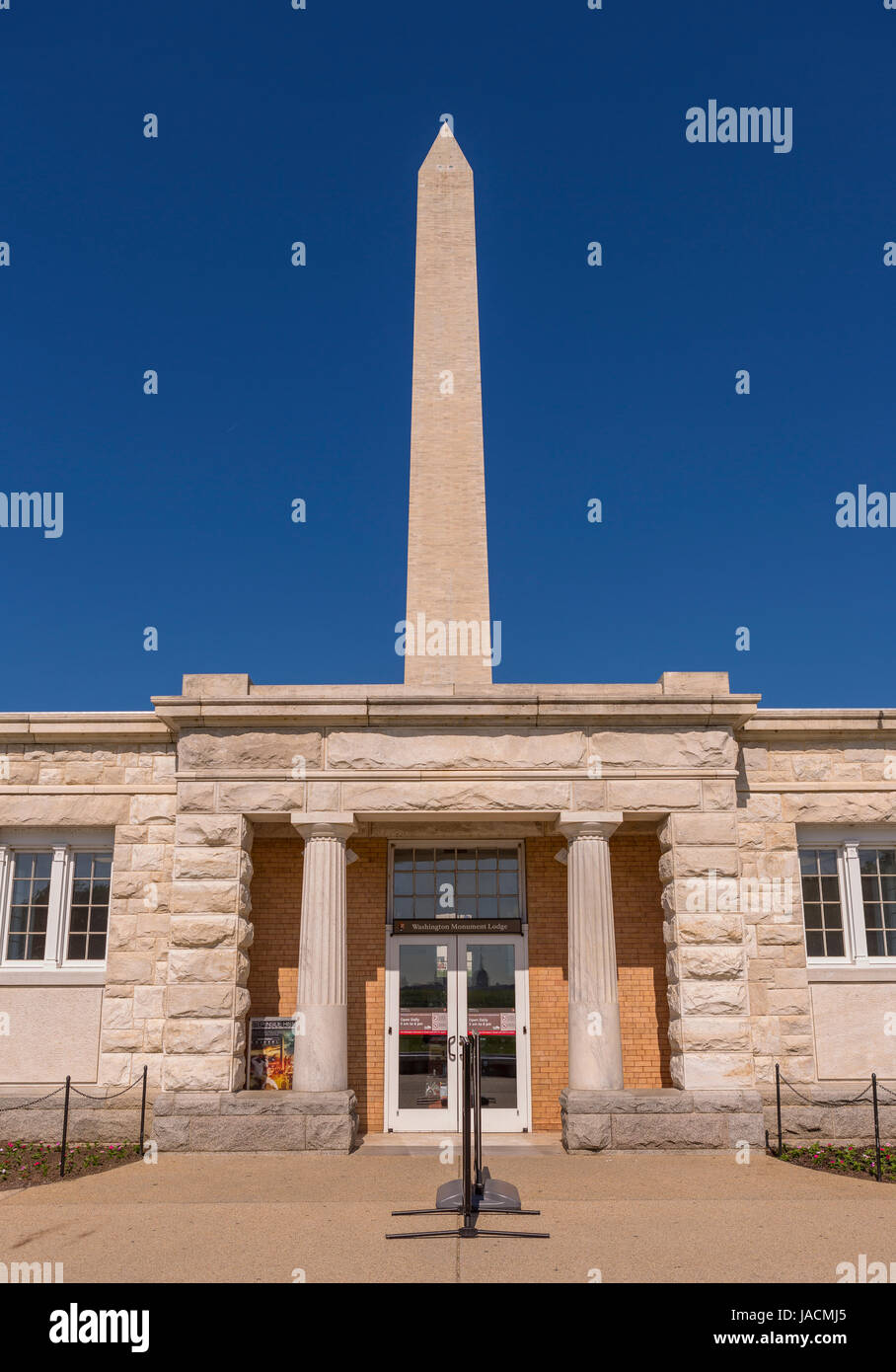
Walk to the base of the 555-foot obelisk; same-day timed-entry passes for the observation deck are issued at the Monument Lodge.
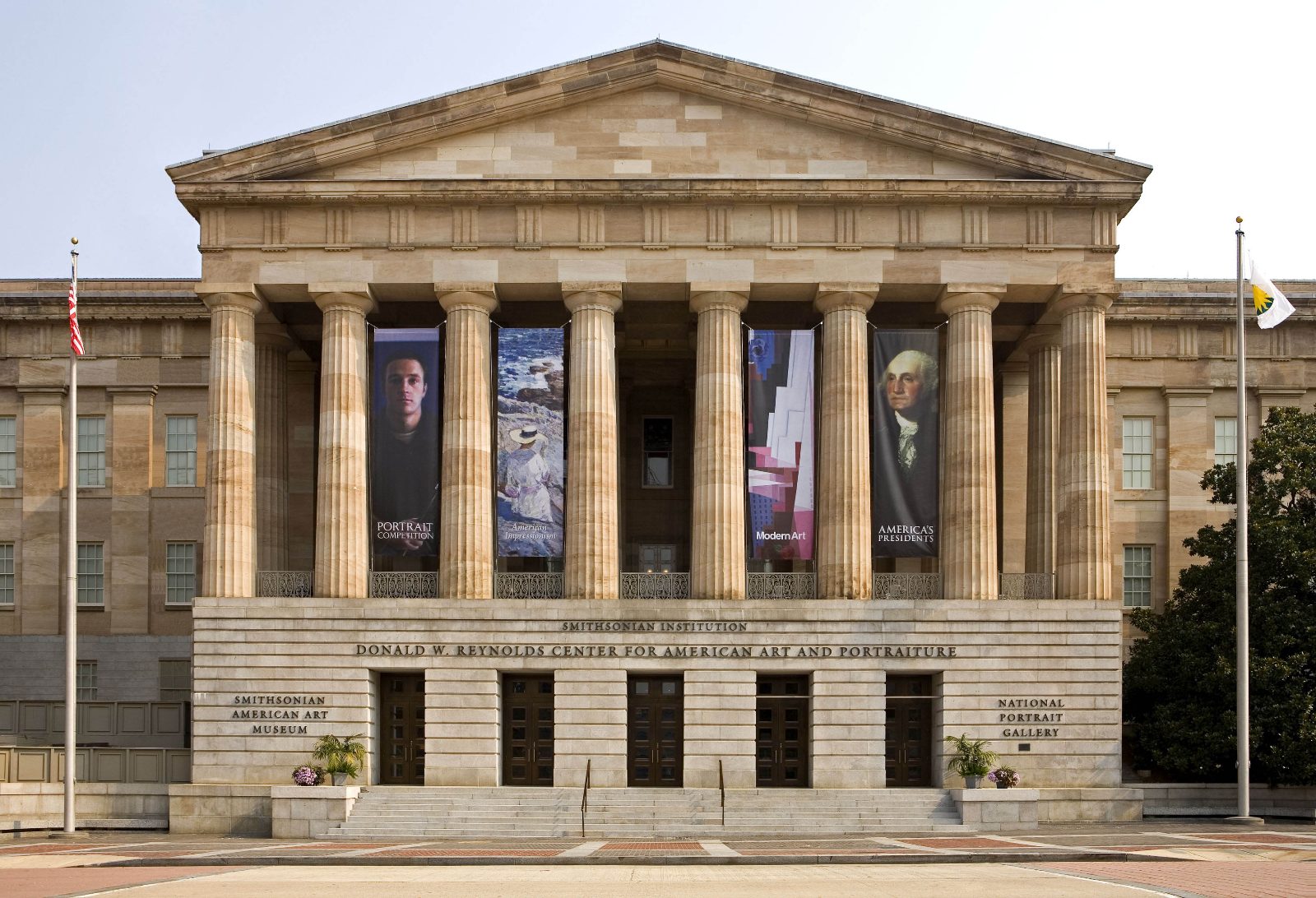
Stroll Jefferson Drive and Madison Drive past the free Smithsonian museums flanking the central lawn.
Finish at the eastern end near the Capitol Reflecting Pool for a skyline view back down the length of the Mall.
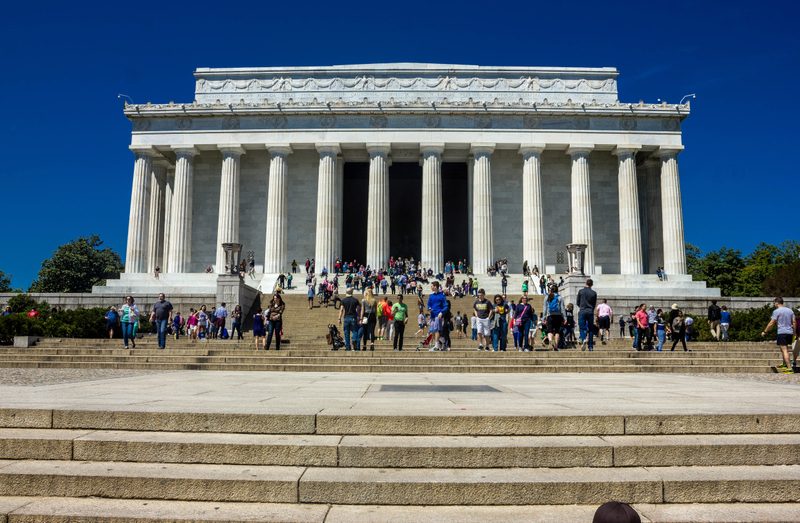
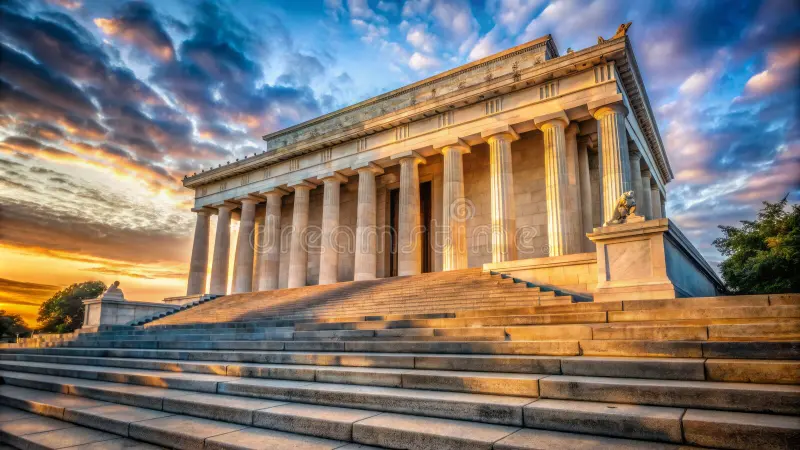
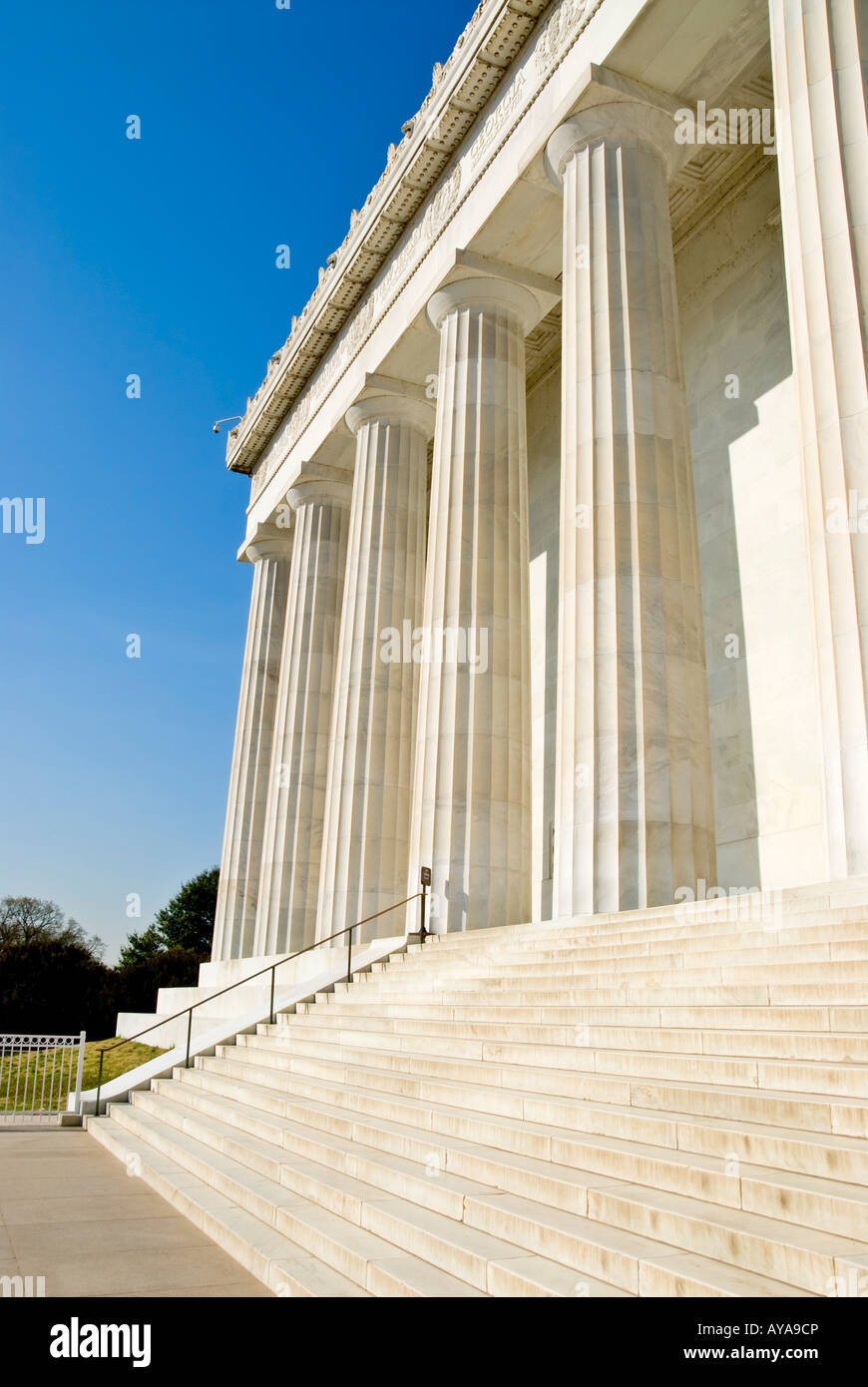
A Greek Doric temple built to resemble a classical marble structure, housing a 19-foot seated statue of Abraham Lincoln carved from 28 blocks of Georgia marble. Its steps served as the site of Martin Luther King Jr.'s 1963 'I Have a Dream' speech.
A 555-foot marble and granite obelisk begun in 1848 and finally completed in 1884, making it the world's tallest predominantly stone structure. A visible color change roughly 150 feet up the shaft marks where construction paused for over two decades during the Civil War era.
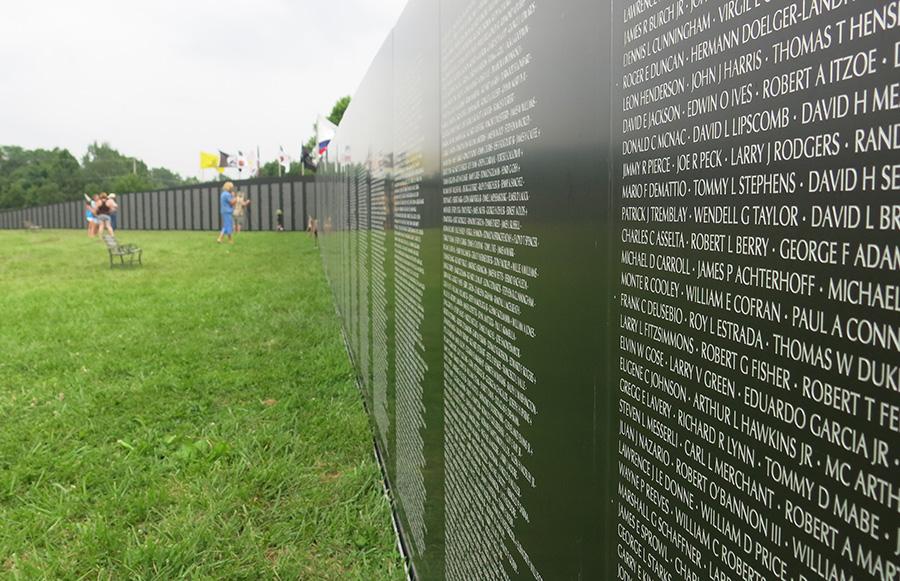
Designed by then-Yale student Maya Lin, the memorial's two polished black granite walls meet at an angle inscribed with over 58,000 names of Vietnam War service members. Names are listed chronologically by casualty date rather than alphabetically, forming a symbolic circle from first to last loss.
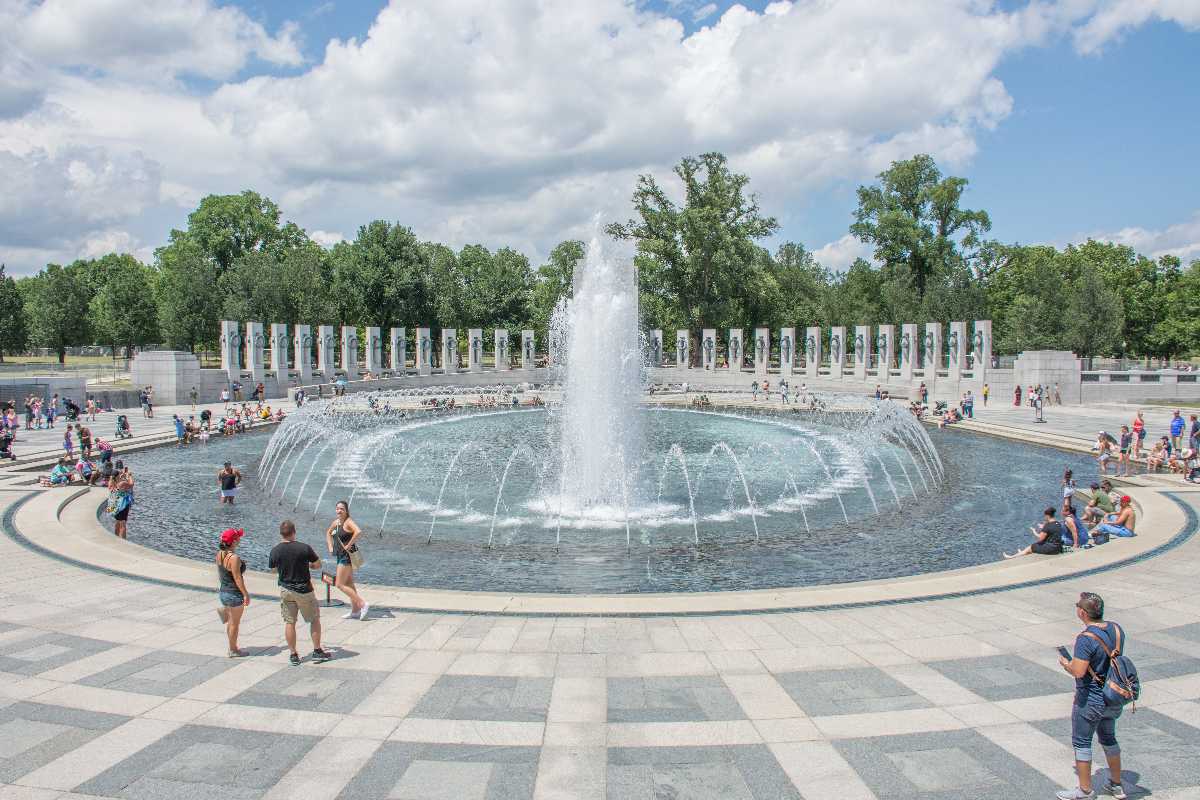
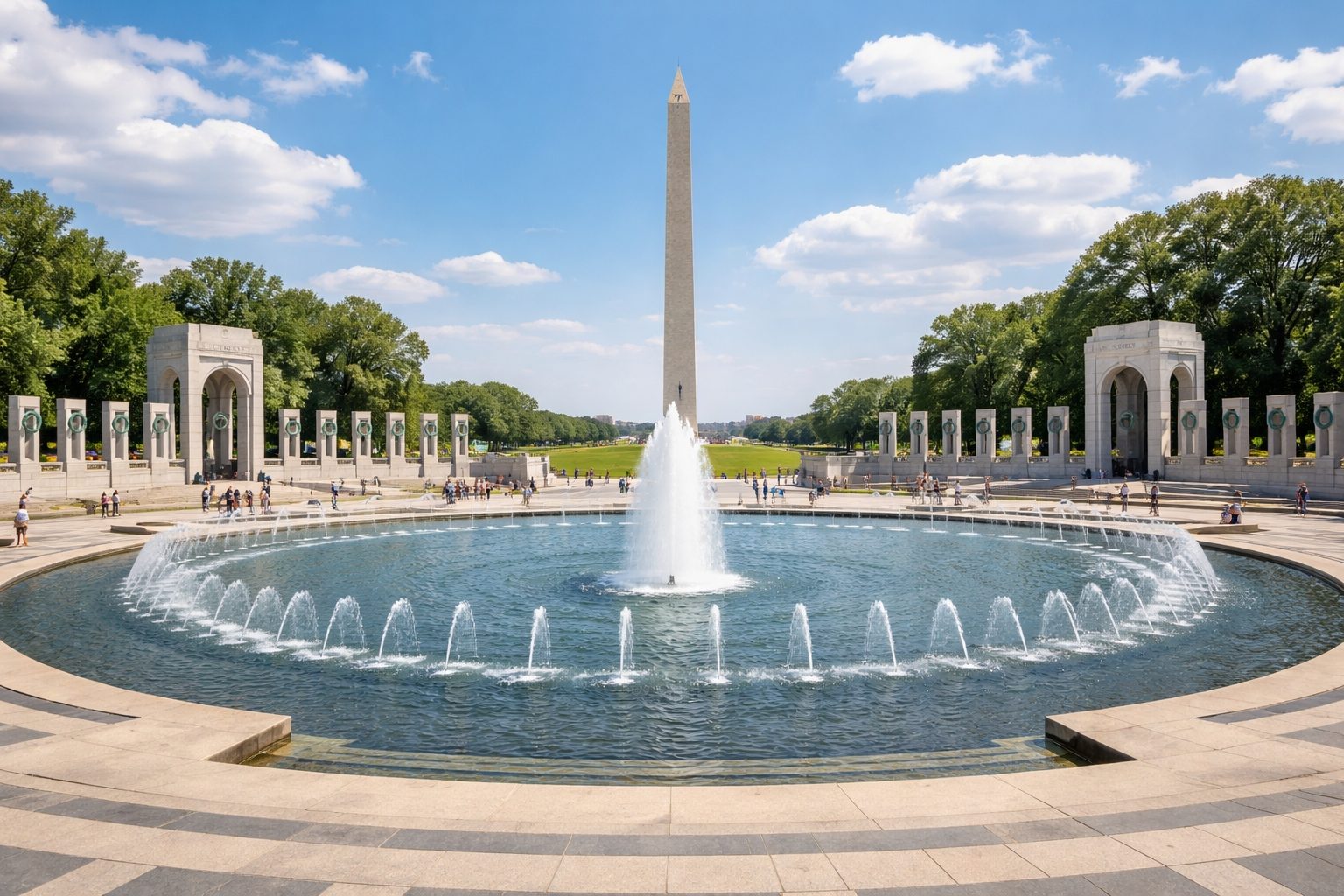
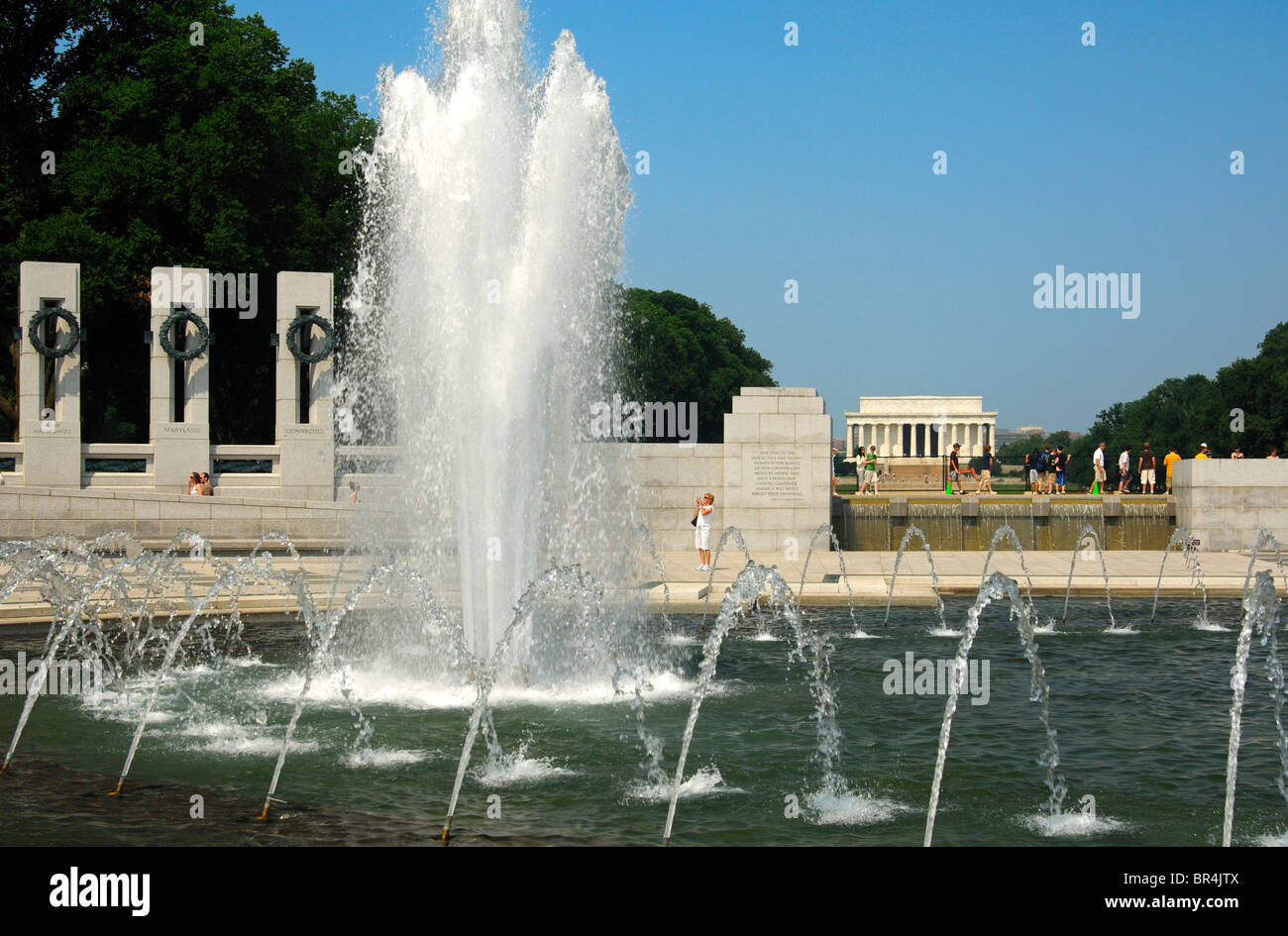
Dedicated in 2004, the plaza features 56 granite pillars arranged in a semicircle around a central fountain, one for each U.S. state and territory during the war. Two triumphal arches on opposite sides represent the Atlantic and Pacific theaters of combat.
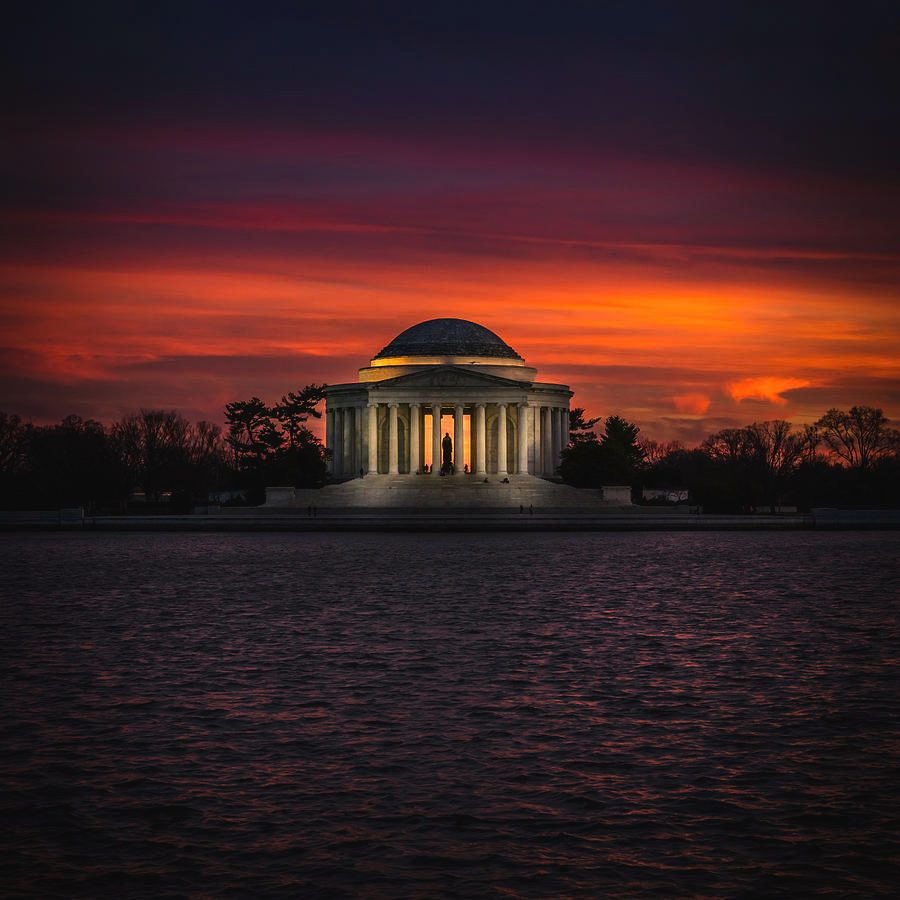
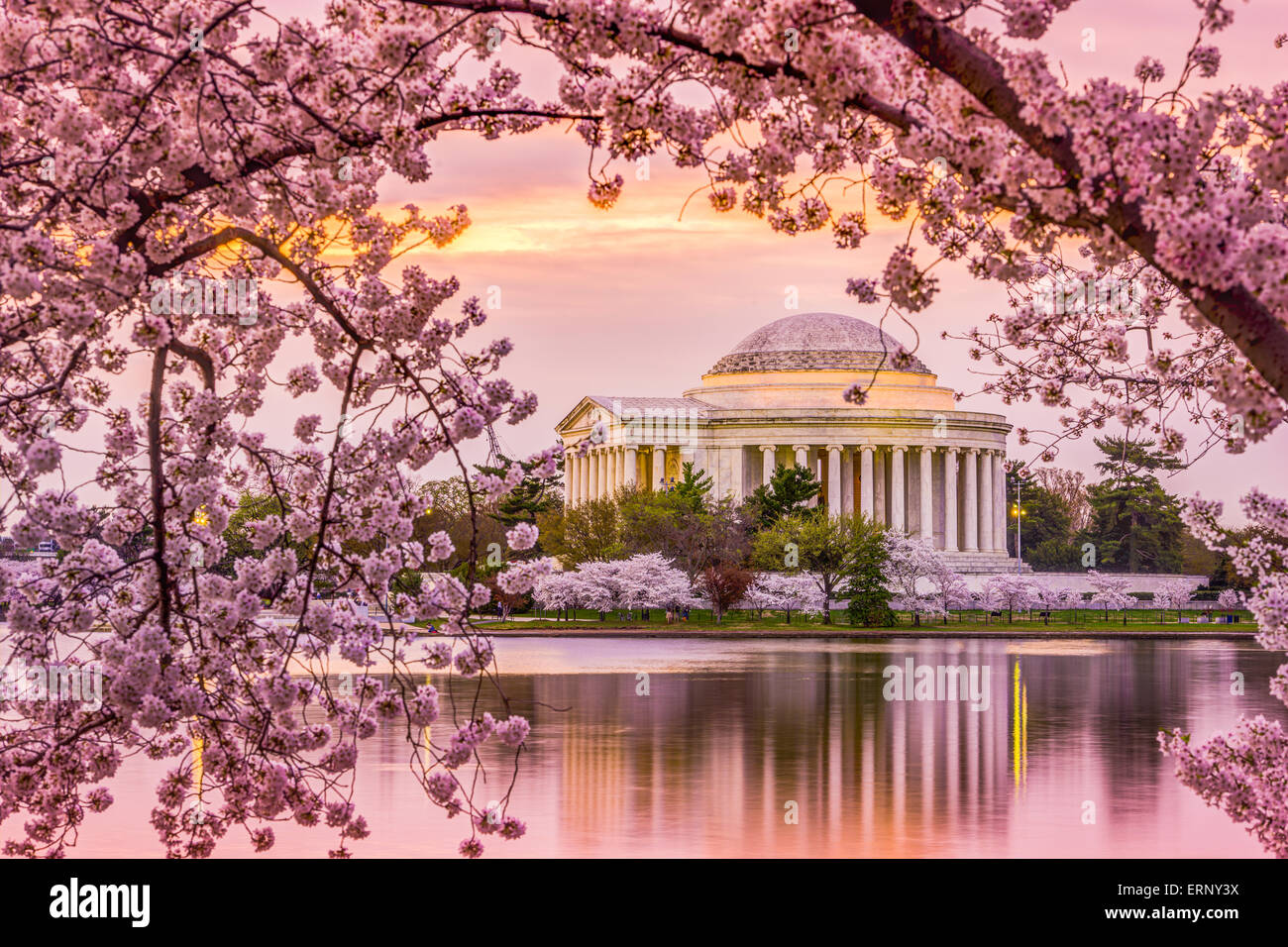
Modeled after the Roman Pantheon with a domed rotunda and Ionic columns, the memorial's interior bronze statue of Jefferson stands 19 feet tall on a 6-foot pedestal. Its location on the Tidal Basin makes it a focal point of the National Cherry Blossom Festival each spring.
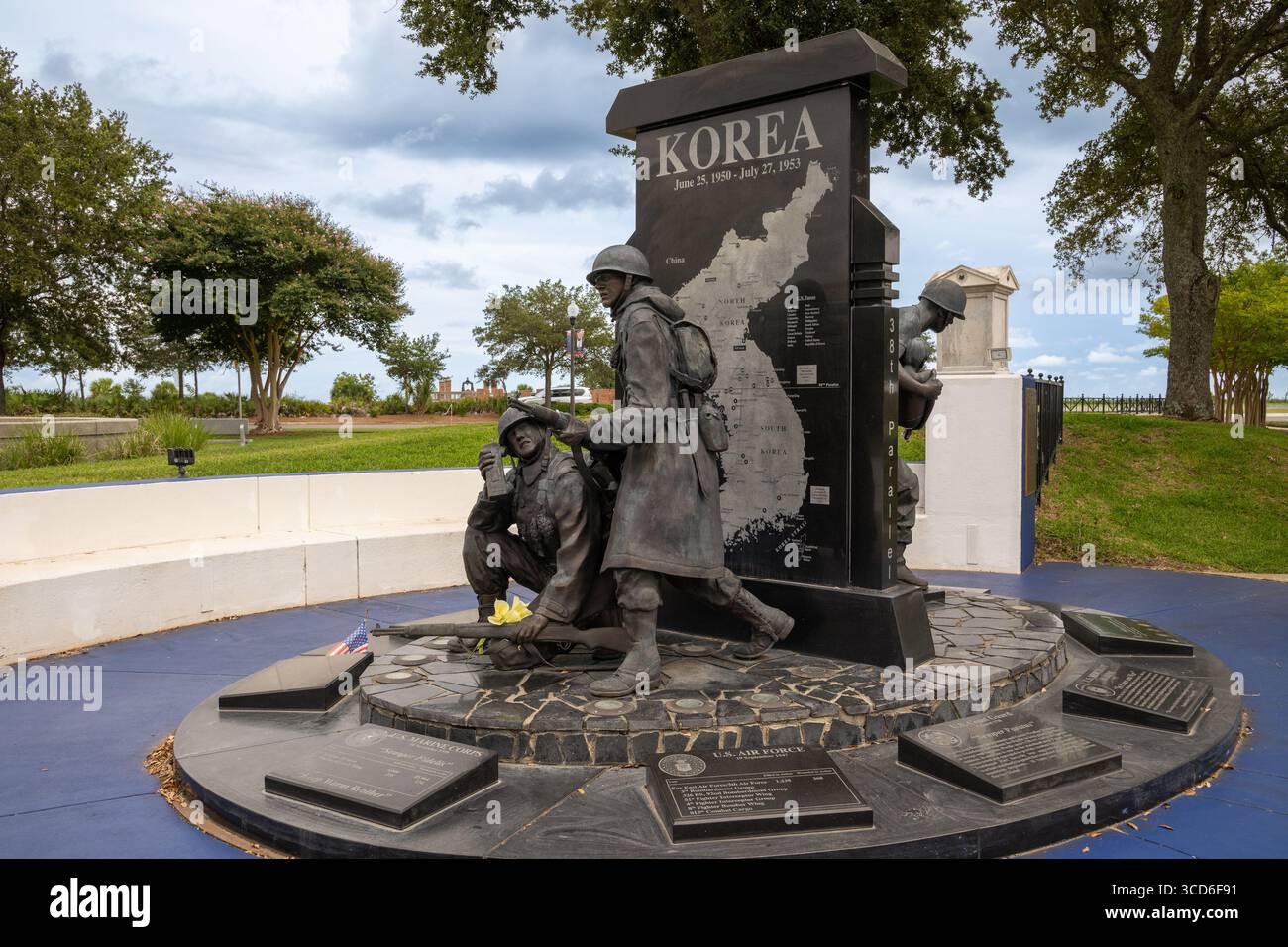
A field of 19 stainless steel soldier statues in ponchos, each roughly 7 feet tall, advances across juniper bushes and granite strips meant to evoke Korea's rugged terrain. A nearby granite wall etched with photographic-style images reflects the statues to suggest a total of 38 figures, referencing the 38th parallel.
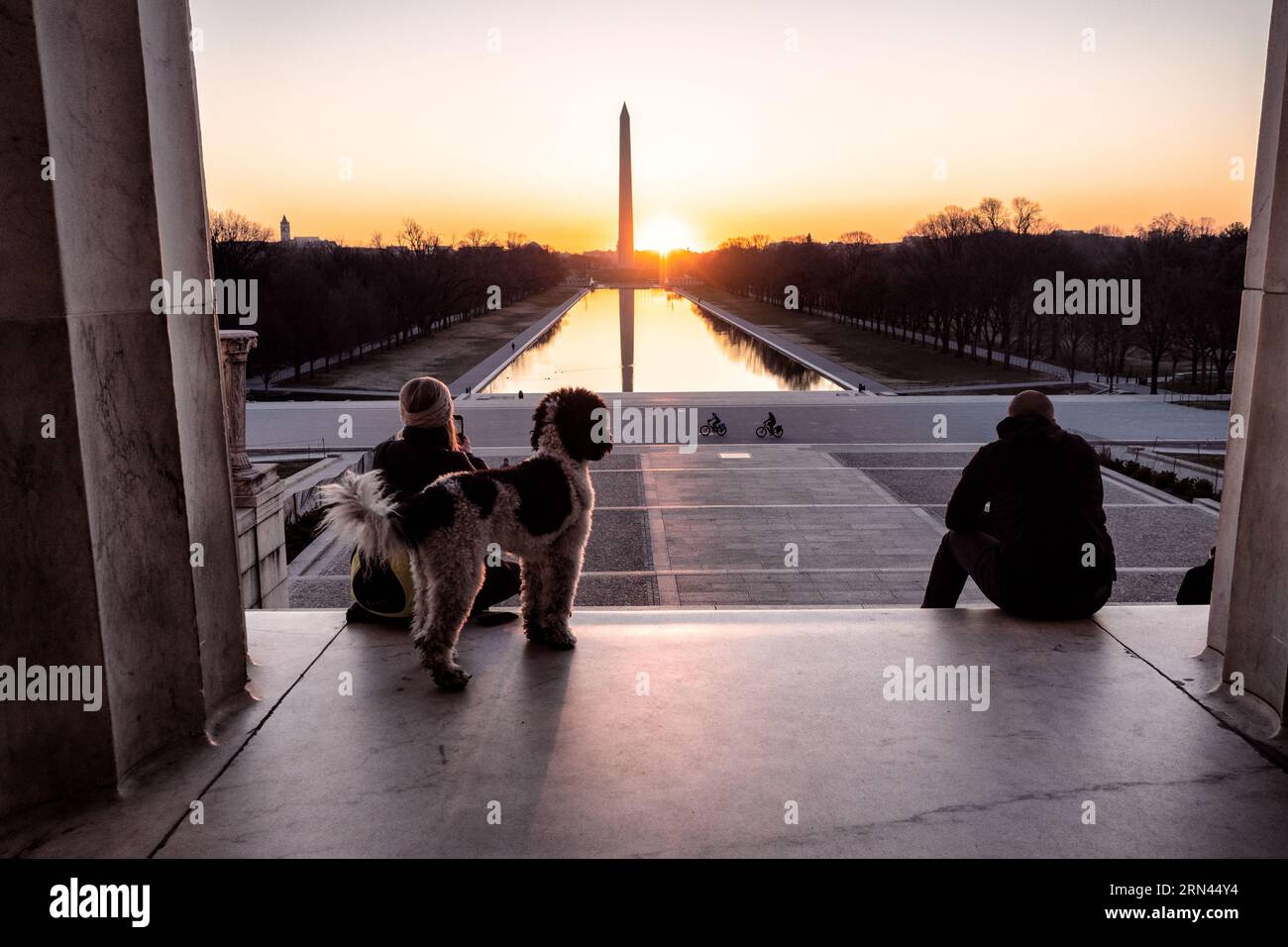
You arrive early, ideally between 07:00 and 09:30, when the air is still cool and the tour coaches haven't yet emptied onto the paths. Start at the Lincoln Memorial, climbing the 87 steps to the seated figure and turning to face the Reflecting Pool stretching a third of a mile toward the obelisk.
From here the axis reads clearly, and a national mall guided tour will point out the spot where Martin Luther King Jr. stood in 1963.
You walk east along the water's edge, pausing at the Vietnam Veterans Memorial to trace a name in the granite, then the Korean War figures caught mid-patrol. The Washington Monument rises ahead; you circle its base, noticing the colour change in the marble two-thirds down.
Crossing to the north lawn, you choose a Smithsonian building — Air and Space, Natural History, or American History — and give it an hour, no more, since admission is free and you can return. By midday you settle on a bench with a pretzel from a cart, the Capitol dome closing the vista to the east. When you finally weigh your national mall tickets against a river cruise or the Tidal Basin loop, you'll already know the ground on foot, the way it was meant to be met.
All the details about your upcoming adventure in one place
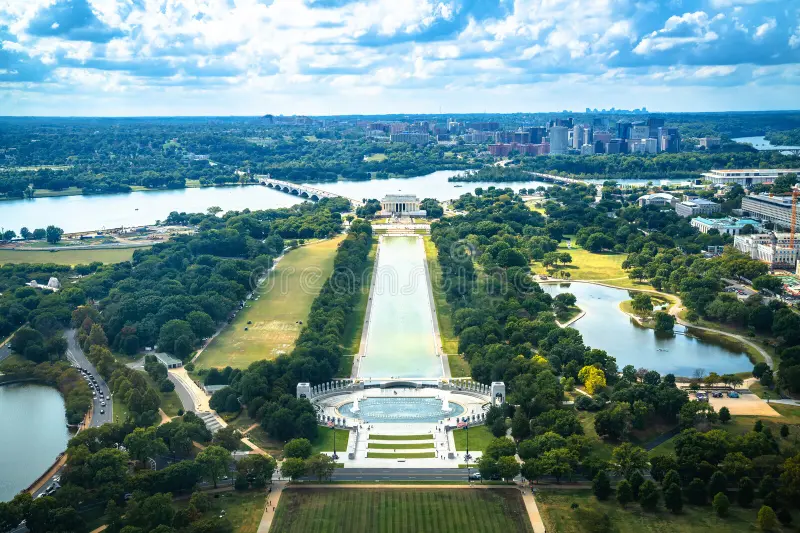
The National Mall stretches from the Lincoln Memorial to the Capitol, lining a grassy corridor with the Washington Monument, reflecting pool, and the Smithsonian museums that anchor this stretch of the National Park Service. Because the grounds are public, most national mall tickets cover guided access to specific memorials, monument interiors, or curated Washington DC monument tours rather than the open lawns themselves. National mall tickets tours pair a licensed guide with timed entry, so you spend less energy planning and more on the neoclassical architecture and presidential tributes along the promenade.
The National Mall was drawn on paper before the city around it existed, sketched by Pierre Charles L'Enfant in 1791 as a "grand avenue" running west from the Capitol.
For much of the nineteenth century that avenue was a muddy expanse crossed by a rail line and a canal; the tidy greensward visitors picture today owes its symmetry to the 1902 McMillan Plan, which cleared the clutter and set the reflecting pools and elm rows in their present order. Understanding that layered origin is the quiet reward waiting behind most national mall tickets tours.
What began as a ceremonial axis has become the country's most concentrated open-air museum. Along its two-mile spine and the surrounding lawns stand the Washington Monument's 555-foot obelisk, the columned Lincoln Memorial, the black granite wall of the Vietnam Veterans Memorial, and eleven Smithsonian buildings whose collections run from the Wright Flyer to the Hope Diamond. Few landscapes anywhere pack this density of civic meaning into so short a walk, which is why the site draws more than 24 million visitors a year and remains a first stop among Washington DC landmarks.
The architecture rewards a slow eye. The Lincoln Memorial borrows the proportions of a Greek Doric temple, its 36 exterior columns standing for the states of the Union at Lincoln's death. The Washington Monument shifts colour a third of the way up, a visible seam where construction halted for two decades during the Civil War before resuming with marble from a different quarry. Frederick Law Olmsted Jr. shaped the elm allées that frame the central vista, and Maya Lin's sunken Vietnam wall, dedicated in 1982, reoriented the whole idea of what a memorial could be by naming every loss rather than glorifying a cause.
The Mall is also living ground. It hosts presidential inaugurations, the annual Cherry Blossom crowds along the adjacent Tidal Basin, the Smithsonian Folklife Festival each summer, and protests that have shaped national memory since the 1963 March on Washington. Because entry is free and the grounds stay open around the clock, the space belongs to residents and travelers alike rather than to any gate. That openness is the throughline a good national mall guided tour tries to honor, connecting the monuments into a single argument about memory, sacrifice, and public life. Visitors weighing national mall tickets are, in truth, choosing how to read a landscape that was designed to be read — a sequence of stone chapters laid end to end across the capital's heart.
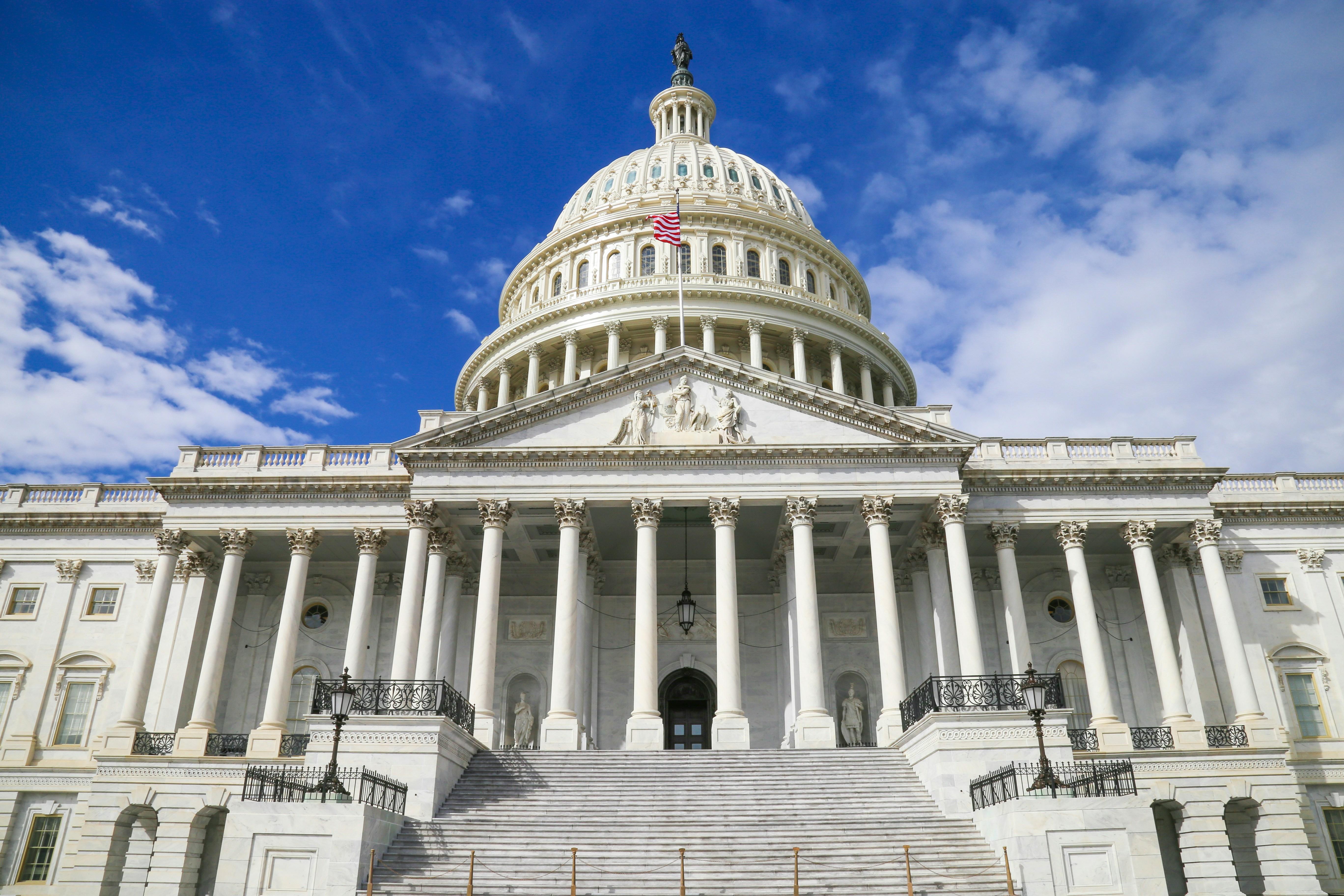
A landscape designed to be read — a sequence of stone chapters laid end to end across the capital's heart.
There is no formal dress code for the National Mall, but comfortable walking shoes are essential since the full stretch between the Capitol and the Lincoln Memorial covers roughly two miles. Summer humidity in Washington, DC makes lightweight, breathable clothing and a hat advisable, while spring and fall evenings near the Tidal Basin can turn cool after sunset.
Backpacks and bags are permitted on the open-air Mall grounds without security screening, though the adjacent Washington Monument and Smithsonian museums require bag checks and walk-through metal detectors at their own entrances. Large bags, coolers, and suitcases may be restricted inside individual memorial buildings even though the outdoor Mall itself has no bag-size limit.
Photography and filming for personal use are permitted throughout the outdoor monument grounds, including the Lincoln Memorial steps, the Reflecting Pool, and the Vietnam Veterans Memorial wall. Tripods and commercial filming require a National Park Service permit, and drone use is prohibited across the entire National Mall and Memorial Parks without prior authorization.
Ranger-led programs and Junior Ranger booklets are available for children at the Lincoln Memorial and Washington Monument lodge. Stroller access is unobstructed on the paved Mall paths, though gravel sections near some memorials can be uneven.
All major memorials, including the Lincoln Memorial, Jefferson Memorial, and National WWII Memorial, have paved, wheelchair-accessible pathways and ramped entrances. Accessible parking spaces are marked along Ohio Drive SW and near the Tidal Basin, and accessible restrooms are located at the Lincoln Memorial and near the Washington Monument.
Food and non-alcoholic beverages may be carried onto the open Mall grounds and consumed on the lawns, but alcohol is prohibited outside of permitted special events. Food trucks and vendor carts operate seasonally along Constitution and Independence Avenues, and no food or drink is allowed inside the interior chambers of the Lincoln or Jefferson Memorials.
Grounds always open, no gate closure
Quiet mornings before school groups arrive
Midweek crowds typically lighter
Weekend crowds begin building by evening
Busiest daytime hours of the week
Hours
Open daily, 24 hours, grounds always accessible
Opening hours
00:00 – 23:59
Getting there
City-center access via metro and bus
Accessibility
Most experiences are wheelchair-friendly — check individual tours
What to bring
Comfortable shoes, water, phone for mobile voucher
Public transport · 3-10 min walk from station · Standard Metro fare, roughly 2-6 USD
Take Metrorail Blue, Orange, or Silver Line to Smithsonian station, which exits directly onto the Mall near 12th Street SW; Federal Triangle station serves the north side museums.
Car · 20-40 min depending on traffic · Free lot parking or metered street rates
Limited free day parking is available along Ohio Drive SW south of the Lincoln Memorial and in Lots A, B, and C near the Jefferson Memorial; downtown street parking is metered and time-restricted.
Walk · 15-30 min from downtown · Free
The Mall is walkable from most downtown DC hotels near Penn Quarter or Foggy Bottom, with flat paved paths the entire length between the Capitol and Lincoln Memorial.
Bike · 10-20 min from downtown · Bikeshare day pass, roughly 8-10 USD
Capital Bikeshare stations are located along Jefferson and Madison Drives, and bicycles are welcome on Mall paths outside memorial interiors.
There is no ticket or reservation required to enter the National Mall, and the entrance fee is 0 USD, so no cancellation or refund process applies to general access. Any paid add-on activities, such as guided walking programs, follow the cancellation terms set by the individual tour operator.
Recommended time
2-3 hours to a full day
Booking national mall tickets isn't required since entry is free, but timing your visit still matters more than the ticket itself. A short walk past two or three memorials fits into 2-3 hours, while combining the major monuments with even one or two Smithsonian museums pushes a visit toward a full day. Add time if you're pairing this with a skip-the-line national mall tickets tour of nearby sites like the Capitol or National Archives, since those queues move slowly. Crowd density, not distance, is usually what stretches a visit longest.
Crowd levels through the day
Weather · crowds · average price — dots go green to amber to red as each metric rises.
March through May brings cherry blossom season around the Tidal Basin and mild 55-70°F days, though late March and early April draw the heaviest crowds of the year.
June through August is peak tourist season with temperatures often reaching 85-95°F and high humidity, making early morning or evening visits far more comfortable.
September through November offers cooler 60-70°F days, changing foliage near the Smithsonian Castle, and noticeably thinner crowds on weekdays.
December through February sees temperatures near 30-45°F with occasional snow, and the memorials are at their quietest, ideal for uncrowded photos.
Same-day timed-entry passes for the Washington Monument are distributed at the 15th Street lodge starting at 8:30 AM and often run out by midday.
Washington, DC summers bring high humidity, so moisture-wicking layers and a hat make the walk between memorials more comfortable.
Many seasonal vendor carts along Constitution Avenue accept cash only, and ATMs are scarce directly on the grounds.
Exiting the Smithsonian Metro station's National Mall side gives an immediate view of the Washington Monument to orient a self-guided walk.
Cell coverage can weaken near the marble interiors of the Lincoln and Jefferson Memorials, so a printed map avoids reliance on GPS.
Construction or events occasionally limit crossing between the north and south sides of the Mall between 3rd and 14th Streets, so factor in detour time.
Pencil rubbings of names are permitted, but staff request quiet, respectful behavior near the wall as it remains an active memorial site for veterans' families.
1100 Ohio Drive SW, Washington, DC 20242
Central meeting point at the west end of the Mall, visible from a distance
Get directions
2 15th St NW, Washington, DC 20024
Ticket kiosk for same-day Monument access passes
Get directions12th St SW & Jefferson Dr, Washington, DC
Closest Metro exit directly onto the Mall grounds
Get directionsIn 1791, President George Washington commissioned Pierre Charles L'Enfant to design the new federal capital. L'Enfant conceived a grand "public walk" stretching west from the Capitol, a ceremonial axis lined with gardens and monuments. His vision anchored the geography that national mall tickets research still references today. Yet the plan faltered. L'Enfant was dismissed in 1792, and the axis he imagined lay unrealized for a century. Through the 1800s the grounds decayed. The Washington Monument, begun in 1848, stood unfinished for decades after funding collapsed in 1854. By the 1850s Andrew Jackson Downing had landscaped portions in a romantic, curving style that clashed with L'Enfant's formal geometry. Worse followed. In 1872 the Baltimore and Potomac Railroad built a station and rail yard directly across the Mall near Sixth Street. Cattle grazed on the open ground. The nation's intended showpiece had become pasture and industry. Renewal arrived in 1902. The Senate Park Commission, led by Daniel Burnham and including Frederick Law Olmsted Jr., Charles McKim, and Augustus Saint-Gaudens, produced the McMillan Plan. It revived L'Enfant's formal axis, cleared the railroad, and extended reclaimed Potomac land westward. That extension created the sites for the Lincoln Memorial, dedicated in 1922, and the Jefferson Memorial, dedicated in 1943. The tidal basin and reflecting pool followed. A visitor comparing national mall tickets tours will trace this doubled landscape back to that single commission. The 20th century made the Mall the nation's stage. In 1939 Marian Anderson sang before 75,000 people at the Lincoln Memorial after being barred from Constitution Hall. On August 28, 1963, Martin Luther King Jr. delivered "I Have a Dream" from those same steps to roughly 250,000 marchers. The 1968 Poor People's Campaign built Resurrection City as a tent encampment on the grounds. Guides framing a national mall tickets tour still cite these gatherings as the axis of American civic memory. Management passed to the National Park Service in 1933. Today the Smithsonian museums, the war memorials, and the elm-lined gravel walks survive as the realized form of two competing plans. Anyone weighing national mall tickets tickets or a self-guided national mall tickets tour walks a corridor shaped by L'Enfant's geometry and the McMillan Commission's revival across more than two centuries of Washington landmarks.
L'Enfant designs a grand public walk west of the Capitol for the new capital.
Construction of the Washington Monument begins on the Mall grounds.
The Baltimore and Potomac Railroad builds a station and rail yard across the Mall.
The McMillan Plan revives L'Enfant's axis and extends the reclaimed land westward.
The Lincoln Memorial is dedicated on newly created Potomac land.
The National Park Service assumes management of the Mall.
Martin Luther King Jr. delivers "I Have a Dream" to about 250,000 marchers.
The Poor People's Campaign builds Resurrection City as a tent encampment.
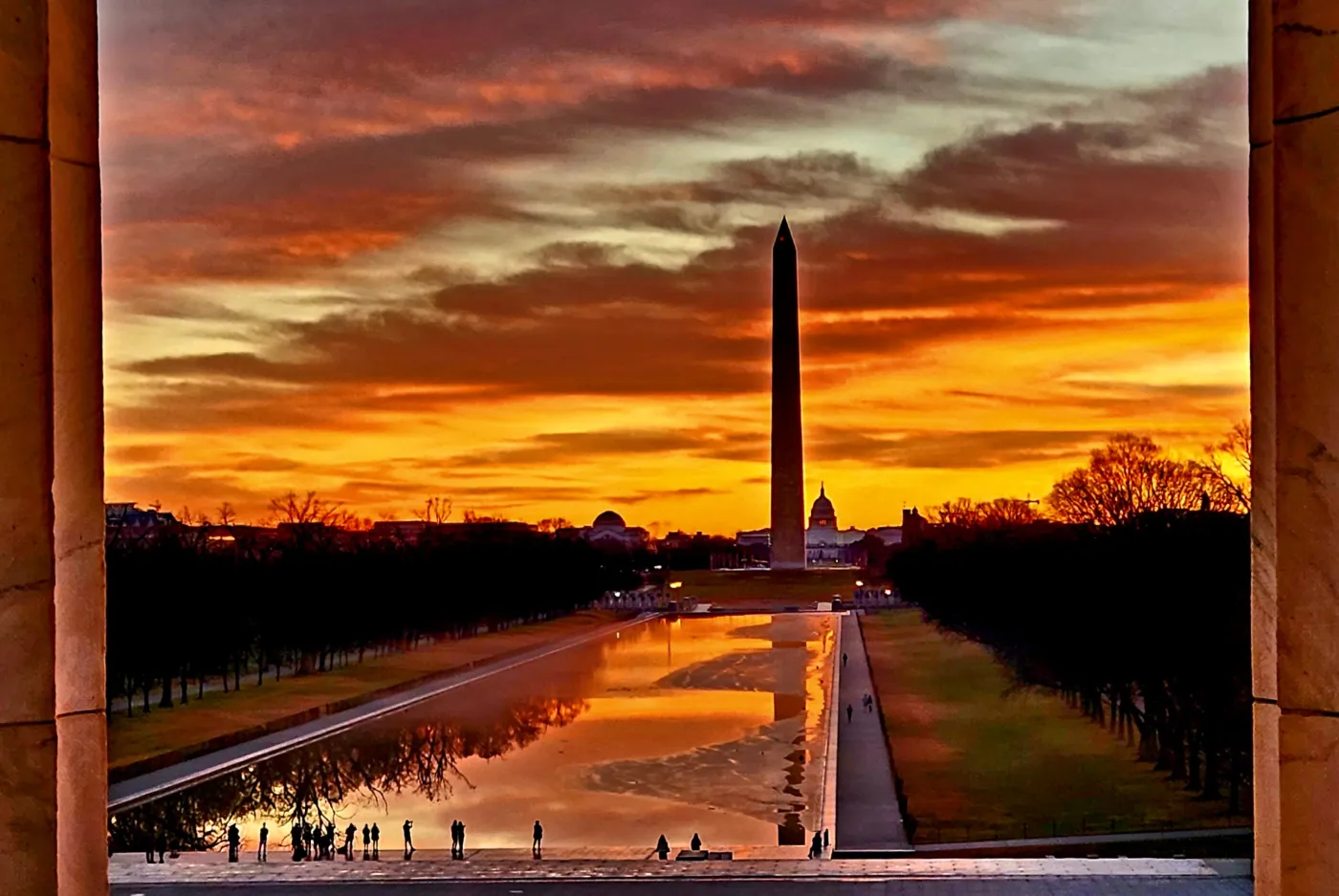
Stand on the lower plaza steps of the Lincoln Memorial facing east, where the Reflecting Pool lines up perfectly with the distant Washington Monument. Calm morning water gives the clearest mirror image, and this exact axis is the shot most people picture when they book national mall tickets. No permit needed to shoot from the steps, though the crowd thickens after mid-morning.
Climb to the top of the west-facing steps for a straight shot across the Tidal Basin toward the Washington Monument, with the Ionic columns framing the water as the sky turns orange. This is the classic angle for a national mall tickets tour that includes sunset, and it works whether the memorial is quiet or crowded with photographers along the rail.
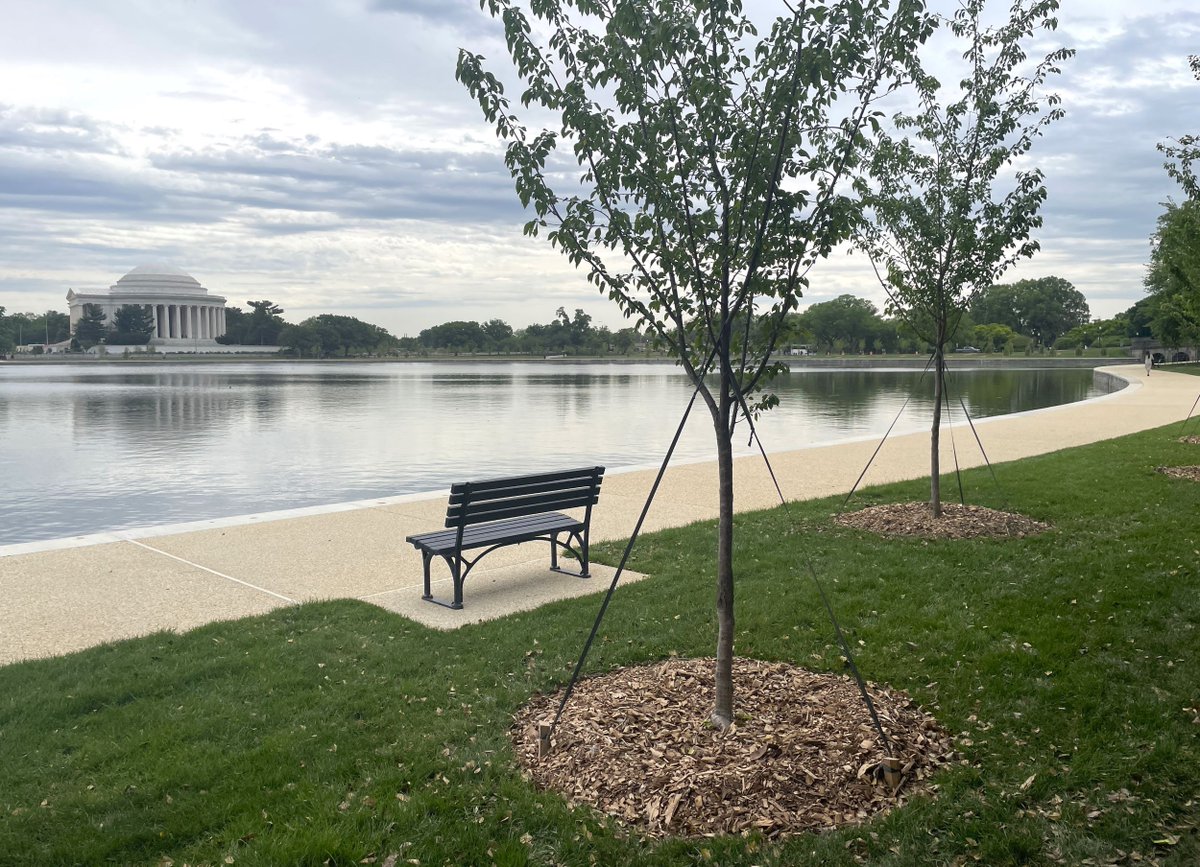
Walk the paved path ringing the Tidal Basin and pick any gap between the trees for a low, wide angle that catches the Jefferson Memorial's dome floating on the water. The east side near the paddleboat dock gives an unobstructed line across to the columns, useful for a quieter frame away from the main viewing points.
Stand at the west balustrade above the oval Rainbow Pool and look back down the Reflecting Pool corridor toward the distant Lincoln Memorial columns, with the fountain jets in the foreground. The granite Announcement Stone near the 17th Street entrance marks a fixed, well-known spot for this sightline.
Visiting with kids here means covering serious ground: the Mall stretches roughly two miles end to end, so a family day is really an exercise in pacing rather than sightseeing. Booking national mall tickets isn't the challenge — walking distance and shade are.
The paved paths along the Reflecting Pool and Tidal Basin Loop are flat and stroller-friendly, making this an easy national mall tickets tour for families with young kids. Curb cuts are frequent, though gravel sections near some memorials can jostle a stroller.
Split the visit into two-hour legs by age: toddlers do best with one memorial plus a play break, while older kids can handle a monument-to-monument stretch before needing downtime. Treat the eastern and western halves of the Mall as separate outings rather than one long march.
The Smithsonian carousel near the Arts and Industries Building and the seasonal Tidal Basin paddle boats give kids a built-in reward partway through, breaking up walking with something hands-on. Both work well as a midday pause before tackling the next leg on foot.
Tree cover under the elms near the Smithsonian museums and benches along the Tidal Basin Loop offer relief between open, sunny stretches near the Washington Monument. Plan rest stops every 30-45 minutes with younger children in tow.
Restrooms and baby-changing tables are available inside the Smithsonian museums along the Mall, which double as air-conditioned breaks; portable facilities near the memorials are more limited. Building museum stops into your route covers both needs at once.
Since no national mall tickets tickets are required at the gate, families can move freely between sections and skip a leg entirely if kids tire, without losing any prepaid slot or reservation.
Buying national mall tickets is free, so most of your budget goes to food from on-site kiosks, Smithsonian cafeterias, and a short walk into Penn Quarter.
Regional Southern, Creole, and Gullah dishes overseen by chef Carla Hall; lines build fast at midday, so an early or late lunch works best for a quick stop.
Indigenous-inspired stations covering Great Plains, Mesoamerican, and Northwest Coast fare, plus an espresso bar; calmer than most nearby cafes and a solid coffee break during a longer national mall tickets tour.
Hot dogs, halal bowls, and Bar Americano's wood-fired pizza near the Air and Space Museum; convenient for a fast bite between stops on a self-guided skip-the-line national mall tour.
Themed stations between the East and West Buildings with sandwiches, salads, and hot entrees; a good sit-down break if art viewing is part of your Washington DC landmarks itinerary.
Multiple quick-service counters near the National Archives with more variety than Mall kiosks; open Monday through Saturday, closed Sunday, so plan around that for weekend national mall tickets tickets.
Flatbread sandwiches, soups, and salads in a relaxed setting; a practical option before or after visiting the Tidal Basin memorials on foot.
Everything you need to know for your journey
No national mall tickets are required; entrance is free at 0 USD and the grounds are open to the public at all times without a gate ticket.
The National Mall grounds are open 24 hours a day, every day of the week, from 00:00 to 23:59, making a national mall tickets visit flexible for any schedule.
Yes, all major memorials including the Lincoln Memorial, Jefferson Memorial, and National WWII Memorial have paved, ramped, wheelchair-accessible pathways.
Bags are permitted on the open Mall without screening, though the Washington Monument and Smithsonian museum buildings require a security check at their own entrances.
Yes, personal photography is allowed throughout the outdoor grounds; tripods and commercial filming require a National Park Service permit.
Arriving between 07:00 and 09:30 gives cooler temperatures and fewer crowds before daytime heat and tour groups build up.
There is no required dress code, but comfortable walking shoes are recommended given the roughly two-mile stretch of the Mall.
Food and non-alcoholic drinks may be carried and consumed on the outdoor lawns, though alcohol is restricted outside permitted events.
The Smithsonian Metro station on the Blue, Orange, and Silver Lines exits directly onto the Mall, making it the most direct public transit option.
Yes, ranger-led programs and Junior Ranger activities make the National Mall a practical stop for families with children.
Since entry is free and no ticket is required, there is no cancellation policy for general access; only paid add-on tours follow their own operator refund terms.
The Tidal Basin, Smithsonian Castle, US Capitol, and National Gallery of Art are all within a 10-minute walk and combine well with a National Mall visit.
A reservoir framed by cherry trees connecting the Jefferson Memorial to the FDR Memorial, especially scenic in early spring.
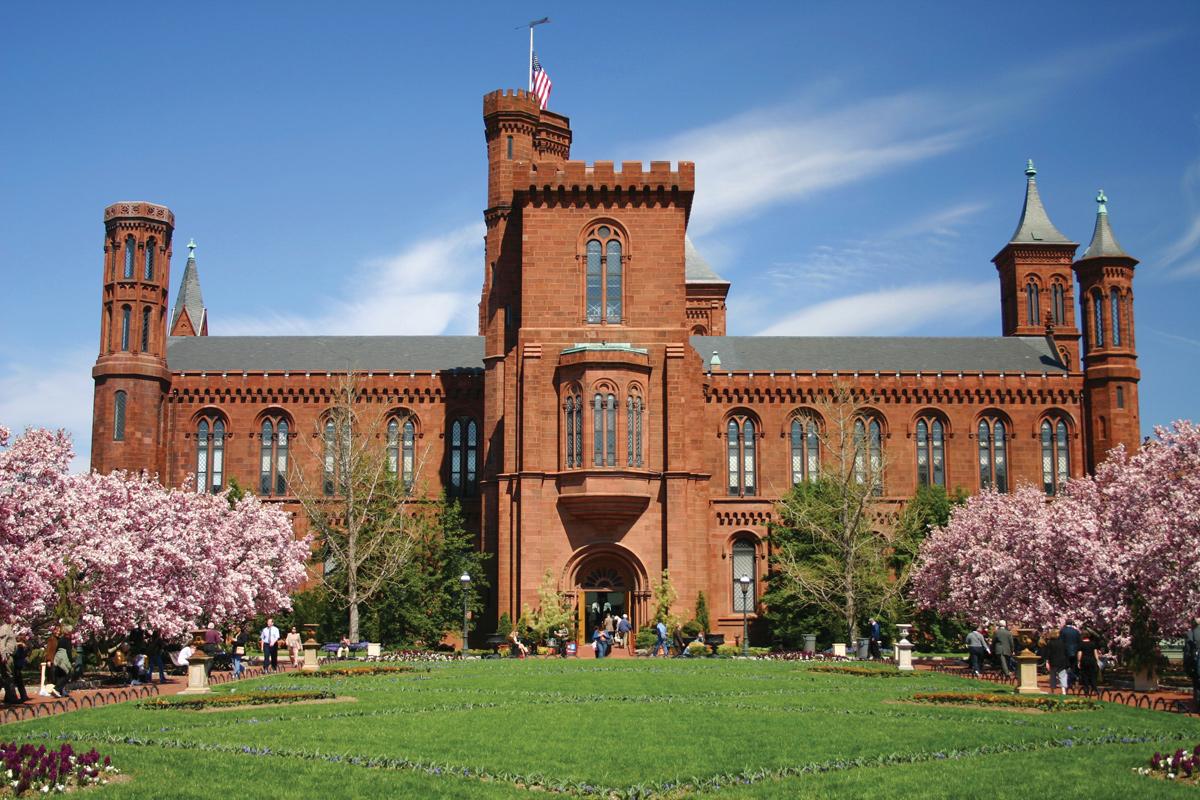
The original 1855 red sandstone Smithsonian Institution building, now serving as a visitor center with an information desk.
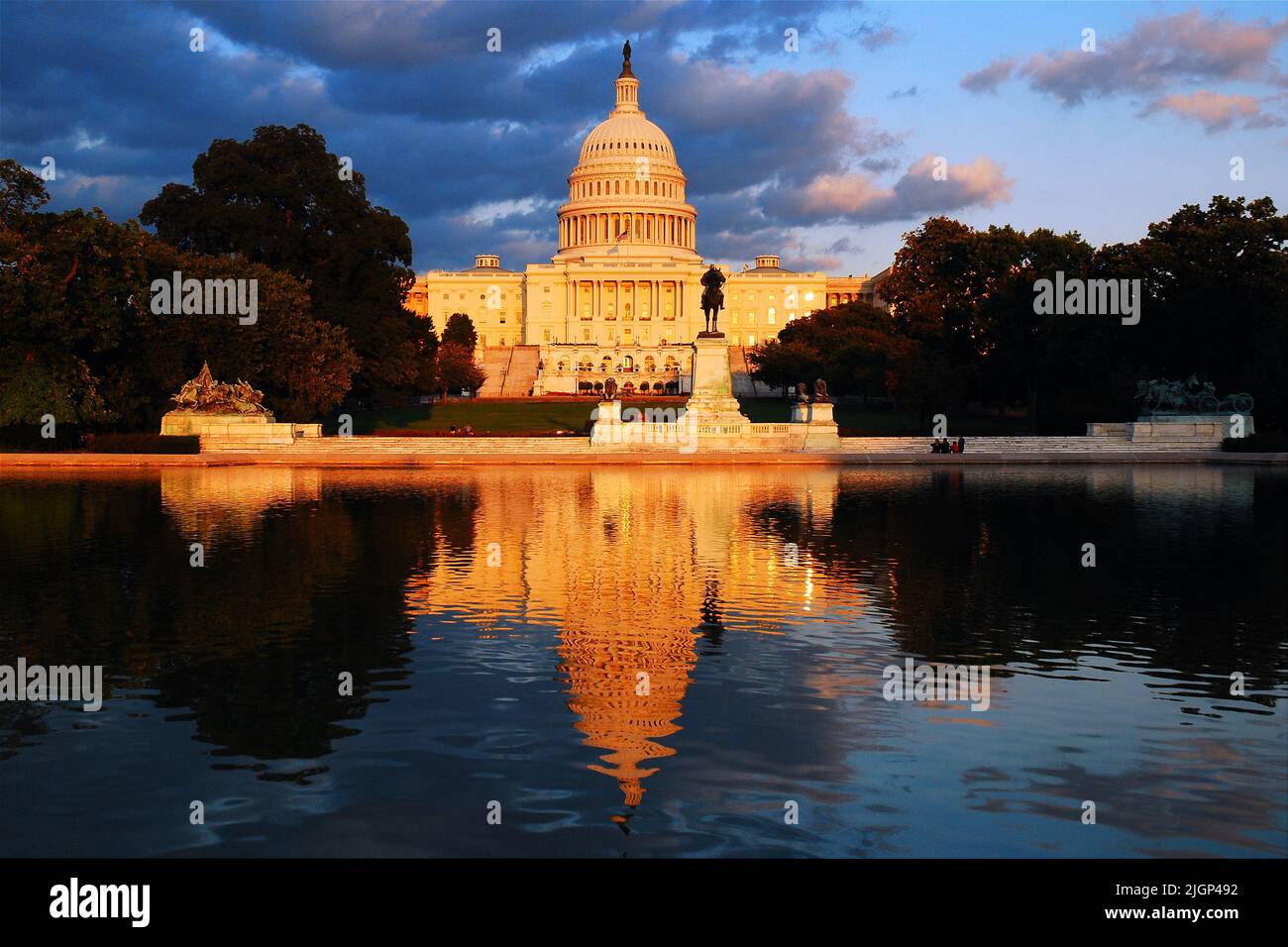
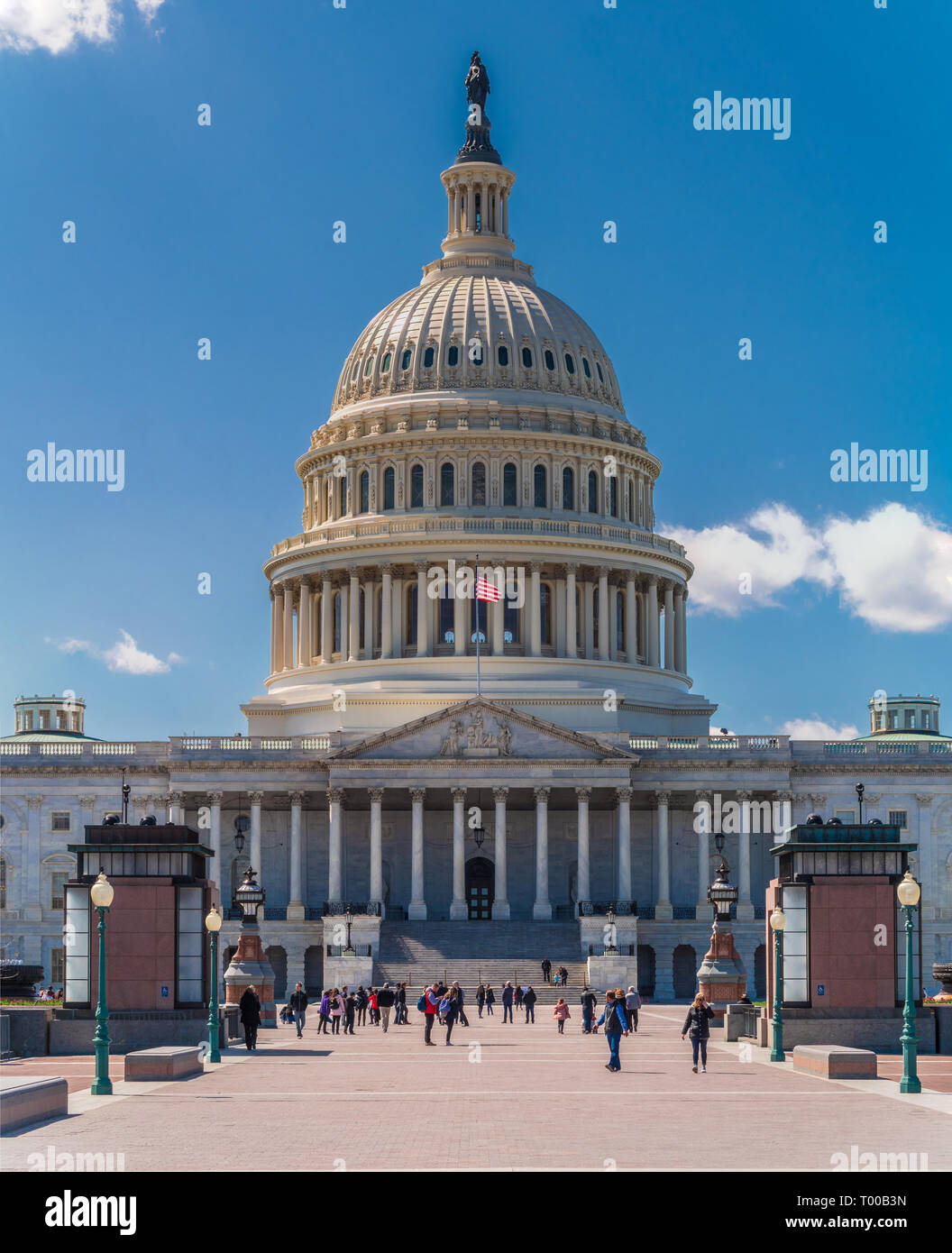
The domed home of the US Congress at the Mall's eastern end, with public tours available separately from Mall access.
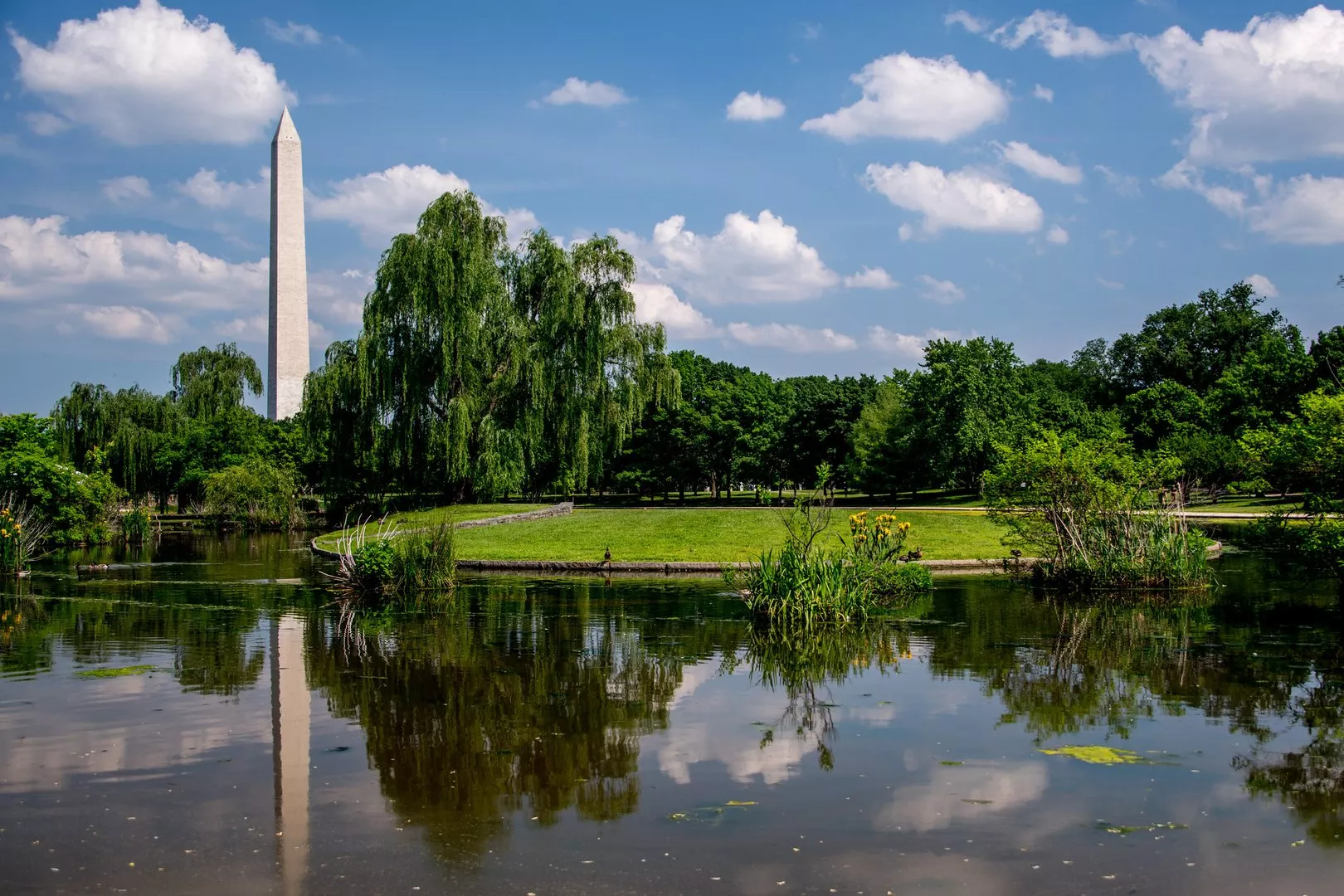
A landscaped park with a small lake and island memorializing the signers of the Declaration of Independence.
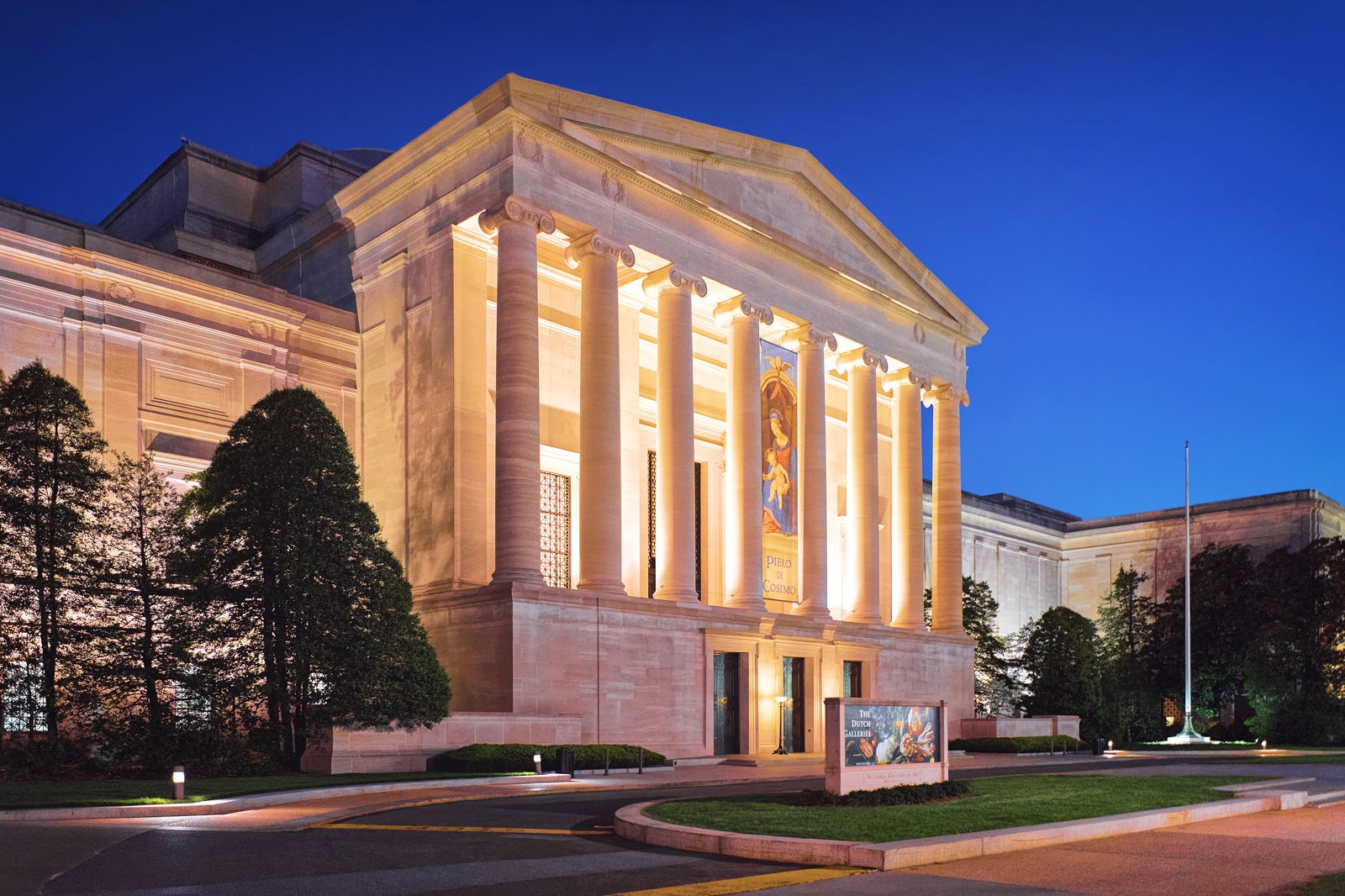
A free art museum with East and West Buildings holding European and American masterworks facing the Mall's north side.
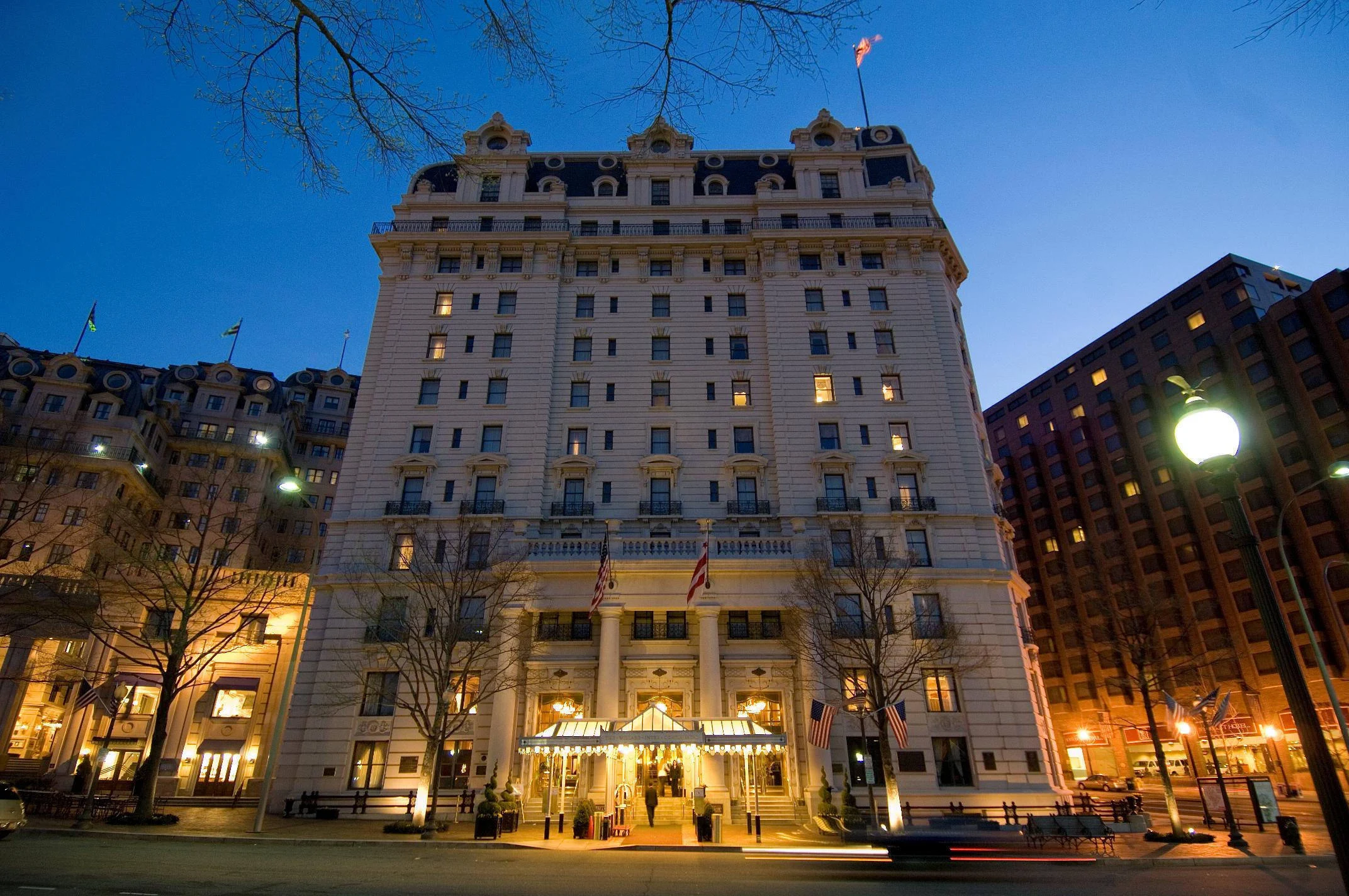
A historic hotel a few blocks north of the Mall near Pennsylvania Avenue, favored for proximity to the Smithsonian museums.
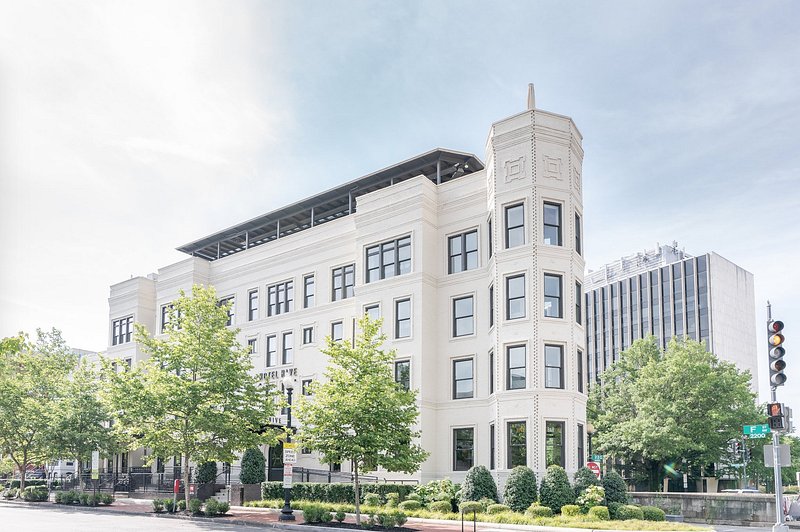
A compact, design-forward hotel in Foggy Bottom convenient to the Lincoln Memorial end of the Mall.
A cluster of business hotels above the L'Enfant Plaza Metro station with direct rail access to the Mall.
A hostel near Chinatown offering dorm and private rooms within walking distance of the Mall's east end.
Join thousands of happy travelers who have discovered this incredible experience
Book Your Experience Now